
As you know, I’m always closely watching the tennis world. And, recently, I’ve encountered several top tennis players discussing what’s changed in tennis over the last ten years. How is it different from how it used to be?
And the answers they gave were, essentially, “Players don’t play defense anymore. They only play offense.” For example, in the past, if you got stuck 15 feet behind the baseline on the far corner of your backhand side (the weaker side for most players), the smart play was to hit a high looping topspin shot deep crosscourt (diagonal), which would force your opponent to back up, and it would give you time to recover back to the middle of the court.
Nowadays, however, the operative play is to try and crush a winner down the line (straight ahead). Or, to put it simply, you are always trying to crush the ball no matter where you are in the court. It’s so prevalent that players don’t even know how to hit topspin lobs anymore if their opponent comes to the net. It’s a class of shot that has simply left the game. Nowadays, if someone comes to net, you try and hit a winner past them every time. Even though they’re expecting it.

This got me thinking of the obvious correlative question: “What’s changed in screenwriting in the last ten years?”
The answer to this one wasn’t as simple. I suppose there are differences in which genres have the best chance at selling. But that always changes. The genres that have been left behind very well may be the ones you want to write five years from now.
The one key change that you can latch onto is that, not unlike the change in tennis, you need to move faster. You need to set things up faster. You need to grab the reader with good scenes faster. The time between your best scenes needs to be shorter.
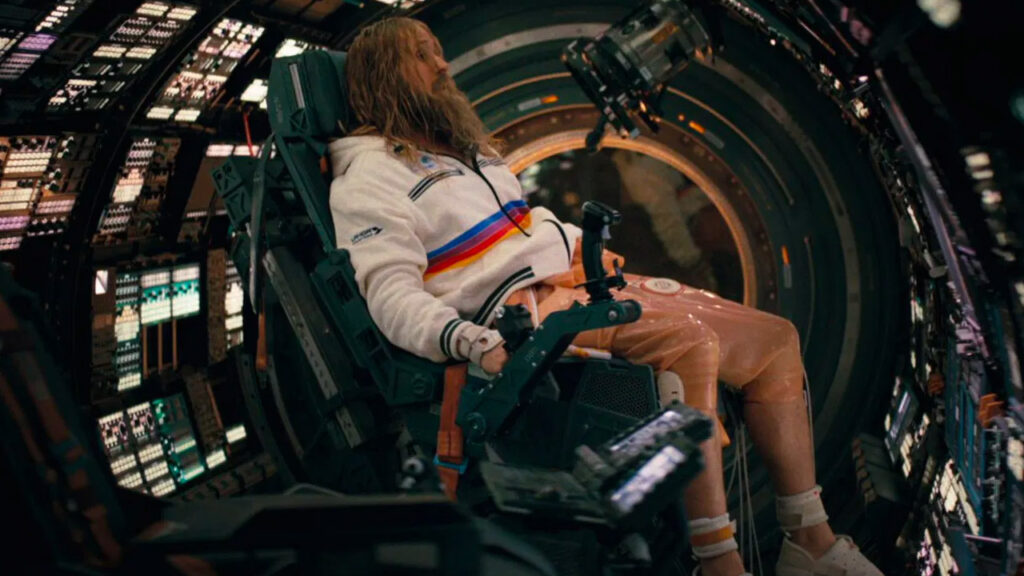
If you look at Project Hail Mary, we wake up in space and we’re ready to go. Even though that movie is long, the story is constantly evolving and moving forward. There are virtually no slow sections.
And just to be clear, I’m not only talking about “time” here. Not every script needs to be like 1917 or Osculum Infame where there’s this intense ticking clock. But the story needs to constantly have forward momentum, and at a faster pace than it used to. Plot beats need to come more frequently. Interesting developments need to keep happening at a faster pace than in the past.
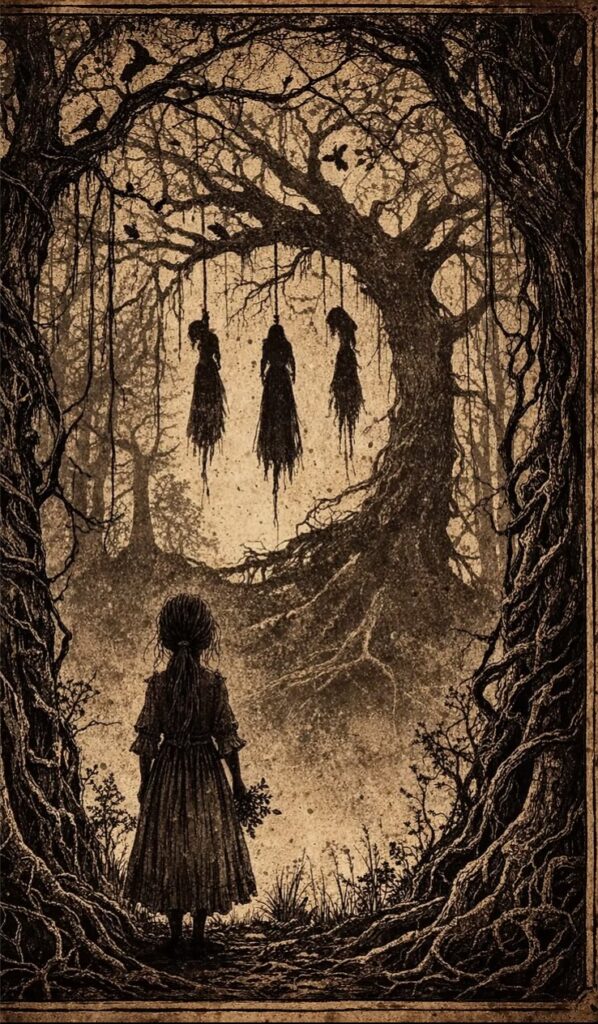
There is only one exception to this: WRITER-DIRECTOR THEATRICAL PROJECTS. Sinners. One Battle After Another. The Secret Agent. All of those scripts take forever to set their stories up. But those guys are working under a different set of rules than you. And because their movies are shown in theaters, you are a captive audience and, therefore, can’t leave. So they know they can pull this crap. Trust me: If they were writers only, in which case they’d have to win readers over right away and, likely, audiences over right away (since their movies would probably debut on streaming), all of them would learn REAL FAST how to speed things up.
Moving on, I was really bummed to hear that JJ Abrams Bad Robot has gone the way of the dodo bird. One of the coolest meetings I’ve ever taken was at Bad Robot. The interior of that production house was so freaking fun. It literally felt like a movie in there, like someone could pull out a movie camera and start filming and it would look like the inner workings of a production house movie set.
I’ve always been a huge fan of JJ and, therefore, his downfall has been baffling to me. Because it wasn’t like he came out with a string of consistent bombs. He didn’t create ANYTHING for a really long time. And one of the biggest mysteries in Hollywood is that he received half a billion dollars to shuttle in the DC Justice League Dark world, and didn’t make a single film or TV show out of it.
At the time, I got a little bit of info on this and spoke to the person who, arguably, was the closest person to JJ of anyone. And they said that JJ was devastated by Star Wars Episode 9. They said that when he went to the premiere, the cut was not the cut he made as the director. Which is kinda crazy when you think about it. That means that someone else – someone big and powerful enough that they had to be a known director – was secretly putting together another cut of the movie unbeknownst to JJ. And I think he just felt betrayed. And probably hated the industry afterwards.
And it’s not like you or me where, when we get disillusioned, we can disappear for a while until we get our enthusiasm back. JJ was running a business with hundreds of employees.
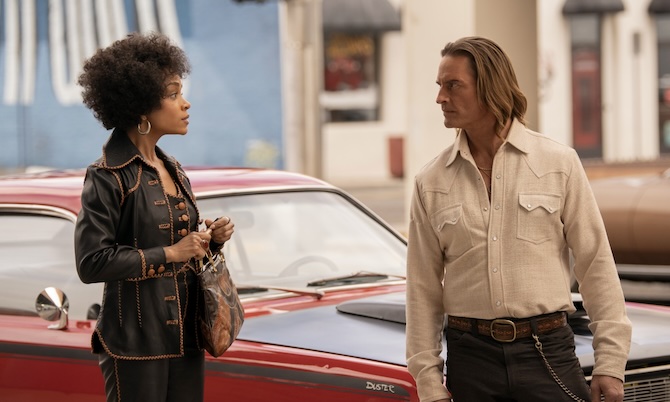
But, look, I’m not going to excuse JJ completely. I mean, dude. Duster? What year is this? 1994? What kind of lame concept is that? Maybe a show like that works if you can update the look and feel of the genre. But it was produced and shot in such a cheesy way. It was set in the 1970s but it totally looked like 1975 through a 2025 lens. He has to wear that. Cause he knew that they were hemorrhaging money over there at Bad Robot. They needed a hit to stay alive. And they came up with Duster?? This dude used to be THE CONCEPT GUY. And Duster is probably the lowest-concept TV show I’ve come across all decade.
The great thing about Hollywood, though, is that it loves a comeback. And JJ has a couple of projects that could place him back on the Hollywood A-list. He’s produced the dinosaur flick, The End of Oak Street. And he’s directed The Great Unknown, about a young newlywed couple who struggle to survive against a supernatural entity, that one with Glen Powell and Jenna Ortega. I have a lot more hope for Oak Street than Unknown but we’ll see what happens!
Finally, let’s talk some AI. It’s always fun to see what’s going on in that digital sandbox, right? AI took a big hit a couple of weeks ago. Open AI, who created Sora, one of these AI video creation generators, and who had a billion dollar deal with Disney, just gave up on it one day!
TechCrunch reported that it cost too much to run the servers for these things and OpenAI is already operating at billions upon billions of dollars of loss. So, they didn’t think it was worth it.
But the sneaky hidden news that they’re not talking about here is that Sora, which was a leader in this space, had a giant initial flash of users using it when it debuted. But that usage plummeted after a week, when everyone realized the limitations of what this thing could do.
Why is that relevant? Well, because all we hear is that this technology is taking over the industry. And yet people don’t seem to be that interested in it. They liked posting goofy videos on social media for a week. But once those videos got lost in the millions of other AI videos that looked exactly the same, they left. Maybe AI is not the savior of Hollywood after all.
But don’t tell that to David Ellison, the guy who bought Paramount and Warner Brothers. Ellison has an interesting approach to AI. He thinks it’s going to revolutionize the quality of films.
How?
Ellison points out that Pixar movies have such a good track record because they can make their movies 8 times before the final cut. Animating allows them to test their films almost immediately with temporary animation. And then they just keep making new cuts, continually testing them with audiences, so that, once they get to the final animated version, the story is airtight.
Ellison believes that AI is going to allow Paramount to do the same with live-action movies. He didn’t go into detail about the process but what I gathered from his explanation was that, let’s say you make Top Gun 3. Well, you can have AI turn the script into a movie right away. You can even have Tom Cruise come in and record all the lines in the way he wants to say them. And then you can test that movie. And, if it sucks, you can then start rewriting it, just like they do at Pixar.
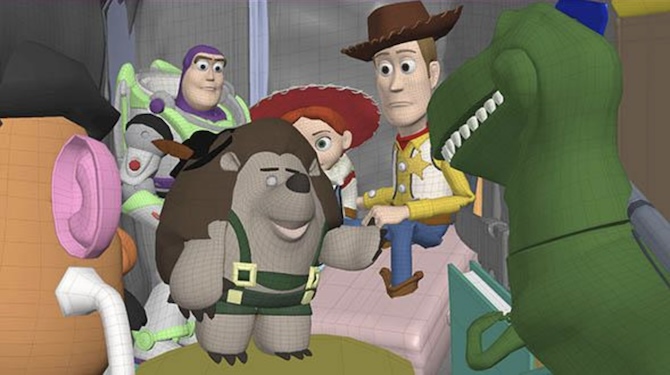
Once you have the perfect movie, you go and actually shoot it. And you just do exactly what the proven AI movie did. So it’s kind of like an advanced version of pre-viz.
I have to admit I’m a little skeptical of how AI’s “proven version” is going to translate once you shoot it. Because quirky little things happen along the way when you’re shooting a movie that you didn’t plan for. I mean, Benecio Del Toro notoriously came up with this wacky character out of nowhere in The Usual Suspects. Nobody, including the director, knew it was coming. But he became a scene-stealer. Well, how is AI going to know to include that unique performance in the pre-movie?
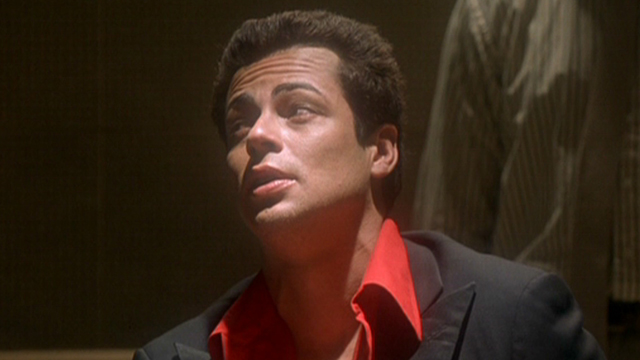
This is where the whole, “AI is going to take over Hollywood” argument loses steam. AI doesn’t seem capable of understanding unique human choices when it comes to performances. And those are things we latch onto the hardest as film lovers. So, if you can’t mirror that, then all you’re really good for is creating cool backgrounds.
But I like that, in Ellison’s vision of this new Hollywood, the screenplay is still needed. That part needs to be written by a human. Lucasfilm’s Kathleen Kennedy was just talking about this in a recent interview. How does AI account for taste? Taste is a bargain that’s made exclusively between the writer and the audience.
Of course, it’s silly to think that they’ll be able to master this process right away. There’s going to be a lot of trial and error. But that seems to be their plan and, I think it’s a good starting point. If a movie isn’t working, you’ll at least have a shot at being able to fix it. Whereas, before, if you had a bad film, like The Running Man, you were basically screwed.
Thoughts on screenwriting in 2026, JJ Abrams, or AI? Share them below!
