
Genre: Horror
Premise: (from Black List) After strange deaths and suicides skyrocket in a dying Appalachian coal town, Maggie – a first responder – wages a personal war against the local coal mine, unearthing a disturbing past that the company has kept secret within the waters of the local lake.
About: This script finished on last year’s Black List with 10 votes (ranking it just outside the top 20). It is the writer’s, Ezra Herz’s, breakthrough screenplay.
Writer: Ezra Herz
Details: 105 pages

Reader RT posted a great quote after yesterday’s script from writer David Koepp: “This is my 30th movie/script and storytelling is a mystery every single time. Things that you think will work, don’t. Things that you didn’t expect to work, do. Things go together that you didn’t imagine. You’re uncovering stuff as you go. Every single one of them is HARD.”
Never have words rung so true.
Every screenplay is a leap of faith. You know what you’re trying to do. But you won’t know if it works until you finish. Because scripts look different on 110 pieces of paper than they do as an abstract idea in your head.
Which is why you want to start with the best concept possible. The weaker the concept, the more it’s going to break down over 110 pages. A strong concept gives you the best chance at mitigating those things Koepp was talking about.
What’s a strong concept, Carson? Isn’t that subjective? Yes, it is. But all I’m saying is, you’re better off starting with an idea like Knives Out than Portrait of a Lady On Fire. You’re better off starting with an idea like Yesterday than Manchester by the Sea.
Today’s script has some mad potential for scariness. But when it’s all said and done, the fear factor is diluted – a scare fest in search of a focused story.
Maggie Dawson is a first responder in a small Appalachian town that’s participating in an upgraded coal delivery system called mountain shaving, a recently developed technology whereby you blow off the tops of mountains so you can pluck the coal from them right out the top.
Maggie’s town has been dealing with mining issues for decades. Many of the people here worked in the mines and developed black lung, including her father, who she has to steal morphine for from the hospital every day.
When Maggie starts to notice that many of the people she treats have a black rash on them (and commit suicide later), she suspects that something more sinister is going on, especially because every time anyone walks past an open mine, they hear creepy whispers coming from inside.
Maggie already had it bad seeing as her mom went crazy and died which led to Maggie’s husband leaving her and him restricting access to their 12 year old son (as far what happened with mother, that remains a mystery for the majority of the script).
Convinced that the mining company is behind all of this mayhem, Maggie goes digging, which leads her to a river by the local dam, where an entire town has been buried beneath the water. She scuba dives down to the ruins, sees a bunch of dead people in the houses (despite nobody else seeing them) and that’s when she knows it’s time to take this evil mining corporation down for good!
My experience has been that if a horror script not associated with Nightmare on Elm Street is using nightmares excessively, the script isn’t working.
If your scares are coming from random nightmare scenes as opposed to emerging organically from your concept, you probably have a weak concept. Or, at least, an unfocused one.
This is two horror scripts in a row (along with yesterday’s “You Should Have Left”) where we’re getting nightmare after nightmare scene. And, to be frank, it feels lazy. Even when it works it feels lazy because you’re cheating. You’re slapping together an easy scare sequence because nightmare scenes don’t need to connect with anything. For example, you can have a dead character come alive in a nightmare scene and then not have to explain it.
So whenever I see that, I know a script is in trouble. It’s not that it never works. But it’s one of those works 1% of the time deals. Take The Exorcist, for example, considered to be the best horror movie of all time. There’s no dream sequence in that movie. Good horror doesn’t need cheap nightmare scares.
Ripple is a frustrating script.
There’s something here. You have elements that could lead to a good horror film. But there’s way too much going on. We have a mother who went crazy backstory. We’ve got a father who’s dying from black lung. We have eerie orbs that pop up at night. We have a mysterious black rash showing up on everyone. We have people losing their minds and committing suicide. We have an evil mining corporation. We have strange whispers that come from the caves. And to top it all off, we have an underwater town that was flooded when the damn was built.
It’s idea overload.
I know you’re sick of hearing this but screenplays need FOCUS. Make your characters as complex as you want. But the plot needs to be reasonably simple. And today’s script is anything but simple. At one point a girl who was saved from a fire starts showing up behind our heroine when she’s at the hospital, then disappearing when our protagonist turns around and all I’m thinking is, “What does this have to do with anything?” It feels like a scare always took precedence over logic.
This week is a reminder of just how hard writing a script is. Because yesterday we had what I’m arguing for today, which is a simple story. But yesterday’s script was weak too. And that was written by one of the top screenwriters in Hollywood! I guess it’s a reminder that you’re always striving for balance. You don’t want things to be too sprawling. But a script that’s so simple there aren’t any toys to play with isn’t fun either.
There is one consistent thread between these two scripts, though. When you write a horror script, the horror element needs be clearly defined. Both of these scripts fail in that department. Yesterday’s script was about a haunted house that was brand new which sometimes had time displacement and disappearing doors?? Today’s script is about a mining operation that gives people black rashes and forces some to commit suicide which is tied back to strange orbs and a town underneath the water??
Contrast that to movies like A Quiet Place: If you make a noise you’re dead. The Exorcist: A demon has possessed your daughter. It: An evil clown kills children in a small town. Midsommar: Four friends visit a remote strange cult that starts killing them. The horror element in all these movies is very clearly defined.
I suppose if you’re making an argument against this line of thinking, you would use a movie like, “The Ring.” You’ve got a video tape that kills anyone who watches it after seven days. You’ve got a scary wet dead girl who comes out of a TV?? People die in frozen screams (but are also somehow aged into a mummy state when they die??). You’ve got dead horses. A bizarre 8mm film. A little boy with psychic powers. An island with a lighthouse. It’s a weird combination of elements, for sure.
But to be clear, I didn’t say it was *impossible* to make these sorts of horror scripts work. Only that it’s harder. A lot harder. As weird as The Ring was, the story connected together well. The setups and payoffs were strong. Everything that happens in that weird 8mm VHS tape film is a setup for things they encounter later in the movie.
I didn’t get that same sense after reading “Ripple.” The elements felt too raw and too disconnected. Then again, this is screenwriting. You can always write another draft and keep connecting those dots. That’s actually what rewriting is all about. Using each draft to make everything feel a little more connected than it was before.
I wanted to get into this script because I like the setting. I like the idea of putting a horror film in this environment. But it was too messy for my taste.
[ ] What the hell did I just read?
[x] wasn’t for me
[ ] worth the read
[ ] impressive
[ ] genius
What I learned: I’m all for creating conflict and strife in your main character’s life. But it feels manufactured if EVERYBODY in their life has some form of conflict. Here we have the mom who went crazy and died. We have a dad who’s dying of cancer. We have a husband who left our hero and doesn’t trust her. We have our protagonist’s kid who she’s not allowed to see. It’s too much. There has to be some normality SOMEWHERE in your character’s life or their life won’t feel real.
You Should Have Left leaves aspiring writers the breadcrumbs for how to write the perfect company man screenplay.
Genre: Horror
Premise: A man accused of killing his ex-wife heads to a brand new Air BnB home in the English countryside with his new actress wife and young daughter. But nothing about this house is what it seems to be!
About: I don’t have the financial documents to prove it, but if I had to guess, David Koepp has made more money on screenwriting than anybody else in history. And yes, that includes Joe Eszterhas. Not only does he have 36 credits, but he’s done tons of uncredited late-stage work on scripts, and that late stage work is where they pay the big money (since they’re hurriedly trying to get the script ready for production). Koepp has had his ups (Panic Room) and his downs (Indiana Jones and the Kingdom of the Crystal Skull) but all in all has had an incredible screenwriting career by any measurement. Koepp teamed up with horror titan Blumhouse on this latest script, which he also directed.
Writer: David Koepp
Details: 90 minutes long
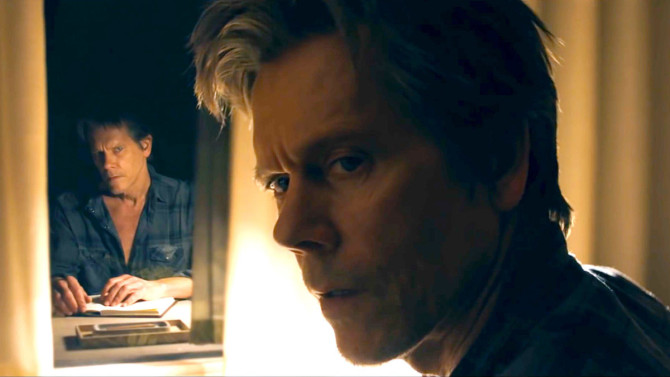
You Should Have Left may be the single best example of what a script looks like through the eyes of the ultimate screenwriting company man.
To the average Joe, this is another mildly amusing haunted house movie. But if you’re a screenwriter, you’ll notice that David Koepp is, intentionally or not, telegraphing the exact formula a screenwriter must use to get a movie made in Hollywood.
You’ve got your single location. A house. Keeps things cheap.
You’ve got your horror genre. Easy to market.
(spoiler) You’ve got dual parts for your lead role. This increases the chances a good actor will want to get on board, which helps with financing.
The hero is tasked with an impossible choice at the end. What will he choose!?
To be honest, it’s a little bit disheartening. Koepp knows the exact formula to get a movie made because he knows the Hollywood system so intimately. But it’s for that very reason the movie feels so uninspired. It was conceived not out of inspiration but rather as a vessel that could be effortlessly sling-shotted through the system.
Contrast this with a movie like Uncut Gems. Uncut Gems is the anti-Hollywood movie and, therefore, should never have gotten made. Which is why it took 20 years. It required its writers to become a hot property in town before they were finally able to get Adam Sandler to look at it and get enough money to shoot the thing.
However, it is a lesson in how Hollywood works. You have a choice, as a screenwriter, to make things easy or hard for yourself. You can go the David Koepp route, come up with something perfectly packaged for Hollywood, get it made quickly, but your movie is forgotten a week after it debuts. Or you can go the Safdie Brothers route and write something you’re passionate about regardless of whether it fits into Hollywood system or not. Of course, as noble as that sounds, you’re going to have to work a lot harder and a lot longer to ever see your movie made.
The generically titled, “You Should Have Left,” follows a former banker named Theo, who has a messy past. How messy? His wife drowned in a bathtub and everyone thought he did it. He even went to trial. But he ended up getting acquitted. Unfortunately, the case made him infamous, giving him minor celebrity status.
This status is what allowed him to meet another “celebrity,” rising actress Susanna. The two make a cute couple. And along with Theo’s six year old daughter, Ella, they’ve got a nice little family going.
When Susanna is scheduled to shoot her next movie in England, they rent a house on Air BnB in the English countryside. The brand new construction is nice enough. But there’s something a little too sparse about it. It doesn’t feel lived in.
When Susanna goes off to shoot her movie, Theo and Ella are stuck in the house alone. And that’s when Theo starts noticing odd things. For example, he’ll explore all the little rooms in the house, only to learn that instead of ten minutes having past, it’s been six hours. Or he’ll notice a door he could’ve sworn wasn’t there before. He’s constantly getting turned around in the house, entering rooms that should’ve been on the other side of the house.
If that isn’t trippy enough, Theo finds out that Susanna has been cheating on him! She’s having an affair with someone from her last movie. He kicks Susanna out of the house for the evening. But that’s when the house starts acting next-level creepy. He and Ella try to escape. But after walking down the hillside, they end up right back at the house again!
What we eventually learn (this is a spoiler if you care) is that the house is Hell. Or, at least, a form of Hell. And it’s punishing Theo because, you guessed it, he did kill his wife. Well, he saw her dying and didn’t do anything. So… he indirectly killed her? Theo even meets the house’s owner, Stetler, who is a stand in for the devil. And Stetler is also… Theo? Or looks like him? Should I even try and save this summary? Nah, we’ll end there.
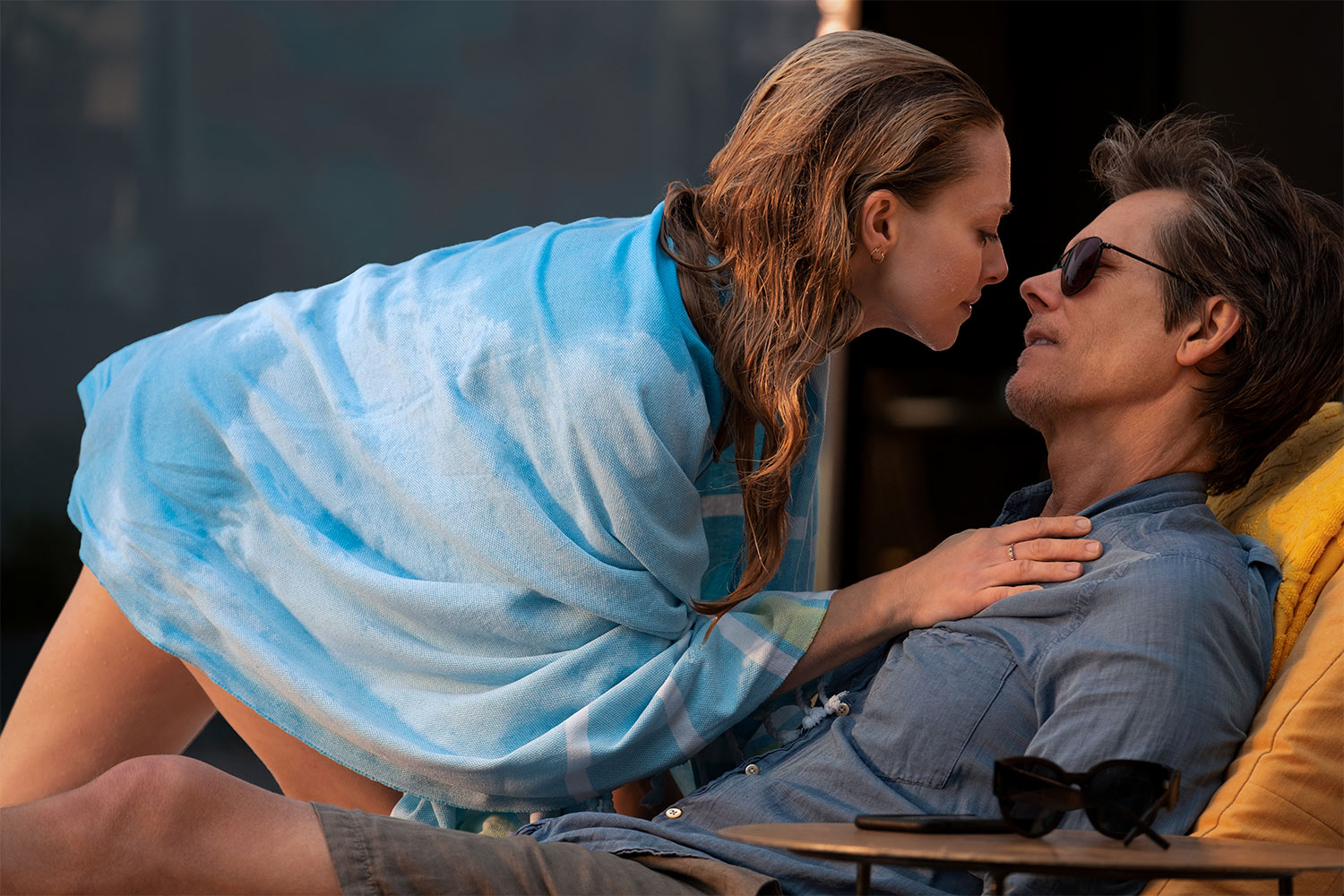
I’d forgotten when I first started this movie that David Koepp wrote it. But I could tell immediately it was written by a pro’s pro. The dialogue wasn’t just wandering surface level drivel. Everything implied a past, hinted at deeper backstories with the characters. “I think he recognized me,” Theo says about the P.A. when he picks Susanna up from her shoot.
There’s also an early scene where Susanna takes Ella for a walk and Ella asks her why everyone “hates daddy.” Most amateur writers would’ve written this scene back at the house. But Koepp writes the scene with Ella climbing a tree. Susanna worries that Ella is going to fall. And as Ella is asking her questions about Theo, Susanna is begging her to climb down. Adding “agitations” like this into the scene is a nice way to give basic dialogue extra pep.
The problem with this script, though, is that it’s trying to stage a Kardashian level wedding on a Jersey Shore budget.
One thing I constantly drill into your heads is leaning into your concept. Your concept is the one thing that – theoretically – differentiates you from every other movie. If you’ve written A Quiet Place, you want to lean into a lot of scenes where your characters need to be quiet.
You run into a problem with this advice, however, if your concept is weak. Cause now you’re leaning into something that isn’t that interesting in the first place. The “strange attractor” in You Should Have Left is the house. And I’m not clear on what’s unique about the house. It condenses time sometimes. It moves doors around. I’m not seeing a whole lot to work with here.
I’m guessing Koepp thought that all haunted house movies up to this point have taken place in old scary houses. So what if you made a haunted house movie about a brand new house? I suppose you could talk yourself into that being a fresh idea but it’s clear, in practice, that there isn’t enough to work with.
I mean how many times can you show someone walking into a room that they didn’t think was there before?
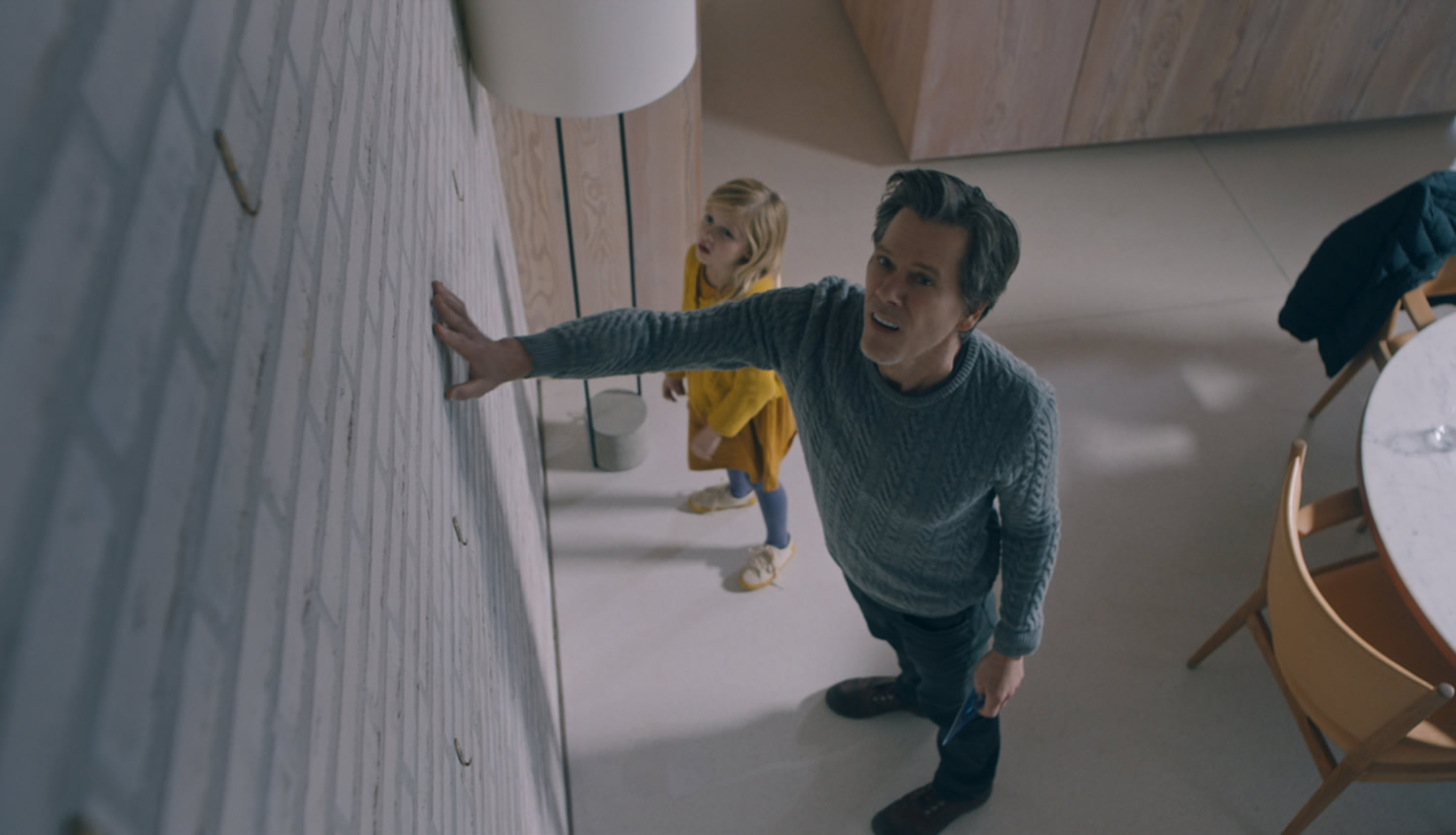
I feel like Koepp has written in the system for so long that he isn’t able to generate emotion or surprise anymore. He knows how to do everything. And yet, everything he does is so vanilla.
(spoiler) For example, we get this final scene in the film where Theo realizes that the house is Hell. And the reason it brought him here was to keep him here forever for killing his wife. The Devil (Stetson), gives him a choice, though. He can bring his daughter with him so they can be with each other forever.
Technically, this is what you want to do as a writer. You want to give your hero one final impossible choice to make. And what they choose will determine if they’ve overcome their flaw or not. If Theo chooses to bring his daughter with him, it will prove that he’s still the selfish man who let his wife die because he was unhappy in the marriage. If he lets Ella go with Susanna, it means he’s finally accepted what he did.
And yet we feel nothing. I didn’t care if he kept her there or not.
I thought about why that was and that’s when I realized the script made one of the biggest screenwriting mistakes you can make. The main character was passive! He didn’t even have a job, lol. He just wanders around the house waiting for his wife to get back. Why am I going to care what a guy like that decides to do? We only care about “the choice” when we care about the character. And this is a guy we never gave a damn about.
With all that said, I have to say that even at 61 years old (!!!) Kevin Bacon is still a stud. I hope he continues to get leading man roles after this.
[ ] What the hell did I just watch?
[x] wasn’t for me
[ ] worth the watch
[ ] impressive
[ ] genius
What I learned: One thing I HATE is when writers are afraid to make tough choices and they waffle. Theo didn’t *technically* kill his wife?? Give me a break! It’s one of those “have my cake and eat it too” choices veteran writers make who it’s been drilled into their heads a million times “don’t make your hero unlikable.” They want the surprise of him murdering her but they don’t want you to dislike him. So they give the twist a smooth candy coating. He didn’t *physically* kill her. He saw her drowning and didn’t do anything. That’s the weakest “murder” I’ve ever seen. If your hero is going to do something bad, don’t sugarcoat it. Commit to it. We’ll respect you, the character, and the story more.
This is the second in a series of articles leading up to The Last Great Screenplay Contest deadline, which is July 4th. Today we’re going to talk about a common screenplay topic that remains one of the hardest to get right. And that’s character. Or, more specifically, how to set up your characters to give you the best chance of writing a great screenplay. Because if you can write great characters, everything else tends to fall in place.
I’ve been in innumerable conversations with writers where I’ve read their script, I didn’t like their characters, and afterwards they told me, “This is what I was trying to do with the character,” and what they tell me is in no way what I read. It’s a little bit like how we see ourselves versus how the world sees us. Those two streets don’t always line up. So I want to discuss some major things you can key in on that will help you execute the character in a way where the audience sees them like you do.
Picking a character audiences will respond well to
The first thing you have to do when you create a character is to pick a character who you think AUDIENCES will find interesting. This may seem obvious but what often happens is the writer prioritizes creating characters that THEY find interesting. And they never consider that that type of character won’t play well to others. The number 1 all-time example of this is the main character in a Duncan Jones movie called “Mute.” I read that script ten years before it was made and I could tell right then that the movie wasn’t going to work. The main character was mute and inactive. So there was no way for us to connect with him. I’m sure, Duncan believed, that by giving the character this impairment and throwing him into some rough futuristic exterior, it would make him appealing to people. But the truth is, it was boring. Cause the character was boring. Cause the character couldn’t talk. And the character was passive. So always consider how others will perceive your character and not just how you see them.
Character introduction
A strong character introduction is one of the most important things you will be tasked with. Audiences form the majority of their opinion on characters right away. Which means you need to get two things right. One, give us a character description that stands out and that conveys as much about that character as possible. A lot of good writers use “essence” character descriptions, which are descriptions that are less about the external and more about the internal. “His saggy posture and unkempt look denote a broken man,” is better, for example, than, “He has dark hair and brown eyes.” Once you’ve done that, you must give the character an action that is memorable and that tells us who they are. If your character is a jerk, intro her being a jerk to her co-workers. The combination of these two things – great description and strong action – will literally solve half your character problems. If you want to see a good character intro scene, go check out Ozark (Netflix), Season 3, Episode 1 for Ben Davis’s introduction (it’s in a classroom). Is it any wonder this previously no-name actor is now the hottest name in Hollywood? That’s what a powerful introduction can do.
The Flaw
The reason to give your character a flaw is because a) it instantly provides them with an additional layer, and b) it gives the audience a reason to keep watching them. Because if we care about a character’s flaw, we will care about them overcoming the flaw. The best ways to come up with a flaw are to put yourself in the character’s shoes and ask, “What’s holding me back in life?” Or to identify a flaw in your own character (as in you, the person reading this) and inject that into your fictional character. If neither of those work, look to your character’s situation and occupation. For example, if your character is a money manager, you probably want to give him the flaw of greed (The Wolf of Wall Street). If your character is a kid in a Youth Hitler Camp, you probably want to give him the flaw of close-mindedness (JoJo Rabbit).
Vices
The reason why the execution of vices varies so wildly (in one script, a drug addict is the most cliche character ever, in another, it leads to an Academy Award), is due to how the vice is implemented. A vice is something you should only add if it’s a) being used to forget something, or b) being used to escape something. If your character was sexually assaulted when they were a child, it stands to reason that they may turn to drugs to forget about it. If your character is in a loveless marriage, it stands to reason that they might turn to food (or smoking, or gambling) to avoid the pain of dealing with that. As long as the vice is being motivated by something, it works. But if you’re just making someone a drug addict cause you want a bunch of scenes of them shooting heroin? Be prepared to be hit with the cliche label.
The Compelling Character Dilemma
One of the most common questions I get asked from intermediate screenwriters is, “How do I give a character a flaw without making him unlikable?” Indeed, this is one of the trickier tightropes you must walk in screenwriting. You have to make your character flawed if they’re going to have any depth. But if they’re too flawed, we dislike them. Conversely, if they’re too perfect, we’re annoyed by them. The trick is finding balance. My solution is to use the Formula of Offsetting. Make sure there’s at least one more good or sympathetic trait than there is bad. What do I mean by “sympathetic?” Sympathy doesn’t have to be created within. It can be something pushed upon your character by the outside world. For example, if your character has a blatantly unloving father, we will feel sympathy for them. This is essentially why we’re okay with everyone being an asshole in Succession. Their father doesn’t show any love towards them. To use a movie example, “Joker” is about a creepy guy (1 bad trait) who cares for his ailing mother (1 good trait) and is picked on by everyone (1 sympathetic trait). The good trait and sympathetic trait outnumber the bad trait, so you’re good.
A couple extra points to make about this. The more mature the genre, the more you can lean into a character’s negative traits. Uncut Gems does not have the most likable hero. But it’s a dark indie thriller, a genre where the audience expects the character to be darker. So it’s okay. Likewise, if you’re going into a lighter genre, like a PG-13 comedy, you’ll want to lean a little more into the positive traits of the character. Also relevant to this discussion, the further away you go from the main character, the more negative traits you can get away with. Luke Skywalker wouldn’t work as a badass. But Han Solo, a secondary character, does.
I’m going to finish this up by sharing with you the single biggest character mistake I’ve ever seen in a mainstream film. And I would argue that this mistake didn’t just kill this movie. It killed this director’s career. Look at his movies before this moment and look at his movies after. It’s like night and day. And I genuinely think it’s because he lost sight of how to properly write a character audiences root for.
The movie in question is Vanilla Sky. It’s a Cameron Crowe movie starring Tom Cruise. The movie starts off giving its hero, David Aames, a clear flaw. He’s vain. That flaw is fine, I guess. I don’t think it’s as interesting as a lot of other flaws, but it’s something you can work with. And through the first fifteen minutes, the movie is interesting. A trust fund baby lives the upscale New York City party life us mortals could only dream of. There is an opportunity here to show how a flawed individual overcomes his infatuation with the material world.
And then came the scene.
The scene occurs at David Aames’ house party and David’s best friend, Brian, comes with a girl. David then proceeds, right in front of his best friend, to steal the girl from Brian. Your main character just stole the girl his best friend brought to his party. GAME. OVER. Audience gone. Viewers done. The movie died in that moment. We hated the main character SO MUCH that nothing afterwards mattered. You could’ve written freaking Citizen Kane 2 and nobody would’ve cared. I still can’t believe that Cameron Crowe actually wrote this scene and thought it was going to work. I bring this up to remind you just how critical it is to consider how your character is going to be perceived. If you don’t understand how your character comes across to others, screenwriting becomes very hard. Cause you can do a lot of other things brilliantly and still people will say they don’t like your script. Look at Cameron Crowe. At the time, he was considered one of the top 3 dialogue writers in the world. It didn’t matter, however, when he got the character wrong. NEVER FORGET THAT!
Hope the writing is going well! Share your character tips in the comments!
Genre: Family/Sci-Fi
Premise: After moving to Maine and befriending an enigmatic hermit, twelve-year-old Henrietta Thorne begins to wonder if he holds the key to solving a mystery that has eluded our planet for more than a decade.
About: Today’s writers have been at the screenwriting craft for over ten years. They wrote and directed the 2008 dramedy, Humboldt County, starring Fairuza Balk, and the 2014 comedy, Growing Up and Other Lies, starring Amber Tamblyn. Moving out of their comfort zone, their latest script is a sci-fi family flick, which I’d describe as “E.T. meets DEVS.” The screenplay was popular enough to land on last year’s Black List with 7 votes.
Writers: Darren Grodsky & Danny Jacobs
Details: 111 pages

Writing a good kids movie is one of the toughest challenges a screenwriter will face.
That’s because when you’re writing a movie for kids – your E.T.’s, your Charlie and the Chocolate Factorys, your Home Alones – there’s an understanding that your key demographic is not as discerning as your average mature moviegoer. Much of what your audience will see on screen will be the first time they see it.
This creates a “perfect storm” scenario where the writer can throw in way more cliches and tired choices than they normally would, knowing that the kids won’t care.
However, you still have an extremely discerning series of adult gatekeepers you must impress. Therefore, you have to bring a legitimate level of quality to the script to get them on board. Which brings us right back to where we are with movies for adults, which is that the writing bar is high.
This puts writers in a weird purgatory where they’re trying to please two opposing masters.
If you want my opinion on what makes for a strong family script, it’s concept. An exciting concept gets kids in theaters so producers will overlook weaknesses in your script – more so than in “adult” genres – because it’s hard to find a home run kids idea. If a producer spots one, he’ll hire however many rewrites he needs to get the script in shape.
The Man In The Woods is a tough call as a concept. The subject matter is quite heady. So I don’t know how it’s going to play to children.
Henrietta Thorne, 12 years old, has just moved to a small town in Maine with her single mom and younger deaf brother. Science-obsessed Henrietta is excited about the move because she’s close to the “Rip.” The “Rip” is a giant hole that appeared in the sky 13 years ago that science can’t explain.
As Henrietta starts to make friends, which include a boy named Dustin who wants to be an obituary writer, she learns of the Millinocket Hermit, a strange man who lives deep in the Maine forest. One day, while out exploring, she falls down a hill, injures herself, and the Hermit finds her and nurses her back to health.
Henrietta can tell that this man is different because he’s able to float above the ground. Henrietta learns that the man used a strange wrist device to fix her and takes the device home. When her brother, Ben, gets sick, she gives him the device, and not only does it save him, but it repairs his hearing!
Meanwhile, the Hermit is dying, presumably because he needs that wrist device back. So Henrietta must sneak into the hospital and retrieve it (the doctors took it off her brother). She’s able to get it back, then deliver it to the Hermit so he survives.
(Spoilers)
Once reunited, the man reveals he came from the Rip and that he’s from the future. He lives in the wild because, if he interacts with the world, the Rip grows stronger and becomes more dangerous, unleashing things like hurricanes and mass locust storms. There’s one more secret the man is keeping from Henrietta. But that one he cannot tell her, or else he risks the entire world imploding.
The theme of this review was going to be: How to write child characters. But when I started to form the basis for the article, I realized this topic is way too expansive to fit in a single review. So I’ll give you the Cliff’s Notes.
Most writers make the mistake of creating precocious kids who are just like adults. And I understand the appeal. It’s easier for an adult to write a child if the child acts like an adult. But if you look back at some of the most famous movies with children, you don’t see this as often.
When you write children, it’s best to key in on themes that are important to children. Friendship is a common one. E.T. is about a kid who needs a friend. So the alien isn’t so much an alien as it is a friend just when your child hero needed him.
Another popular theme is being good. That’s one of the driving principles of being a child – learning right from wrong and making good decisions. This is packaged in constant reminders to “Be good.” And “Don’t be bad.” That’s what Willy Wonka and The Chocolate Factory is all about. The reason Charlie “wins” at the end is because unlike the other kids, he was given the choice to hand over the everlasting gobstobber to Willy’s candy nemesis for money, but he didn’t. He gave it back instead.
To Grodsky & Jacobs’s credit, they do explore a somewhat popular children’s theme of moving somewhere new where you don’t know anyone. It’s a nightmare for a lot of children. You have to leave all your friends behind and start over. It’s scary.
But that choice was negated by making Henrietta an – you guessed it – overly precocious smarter-than-your average-adult 12 year old girl. We’re going right back to that problem again. It feels lazy when child characters are written this way. Charlie isn’t written this way in Willy Wonka. Elliot isn’t written this way in E.T. The reason that matters is because those characters feel more like KIDS. And kids (the ones who go to the movie) can relate better to kids.
I don’t know about you. But I never liked the kids who acted liked adults when I was young. I wanted to hang out with other kids!
That’s not to say there aren’t stories where the precocious character type won’t work. And I didn’t dislike Henrietta. But I guess the issue I always run up against when I encounter these characters is that they *feel written*. Instead of just *being*, you can feel the writer’s hand crafting every clever line, crafting every adult-like move. It doesn’t feel organic.
Getting back to the script, it was mostly entertaining. I like what the writers were trying to do. They leaned into the emotional component of the story. The climax is not about the science-fiction stuff. It’s about the characters. A lot of writers make that mistake where they get too wrapped up in the plot stuff when what the viewers really want is some sort of emotional catharsis from the characters.
But the execution never popped for me. It was one of those scripts where you admire the professionalism, you can appreciate what they were going for, you can see why the script got attention. But it was missing that “extra” piece that gets readers excited.
I suspect that the concept was the reason for that. It’s fun. But it’s a shade too soft to build a movie around. It needed something else.
I’m interested to hear what all of you think makes for good kid character writing. We all agree that the precocious stuff is overused. But what DOES work? What do you consider to be good kid character writing? Use movie examples if you can!
[ ] What the hell did I just read?
[x] wasn’t for me
[ ] worth the read
[ ] impressive
[ ] genius
What I learned: Because children don’t have as much life experience as adults, their flaws will be SIMPLER. They might be SELFISH. They might be SHY. They might be IMPATIENT. Don’t overthink flaws with kids. Keep it simple. Keep it stupid.
Genre: Music Biopic
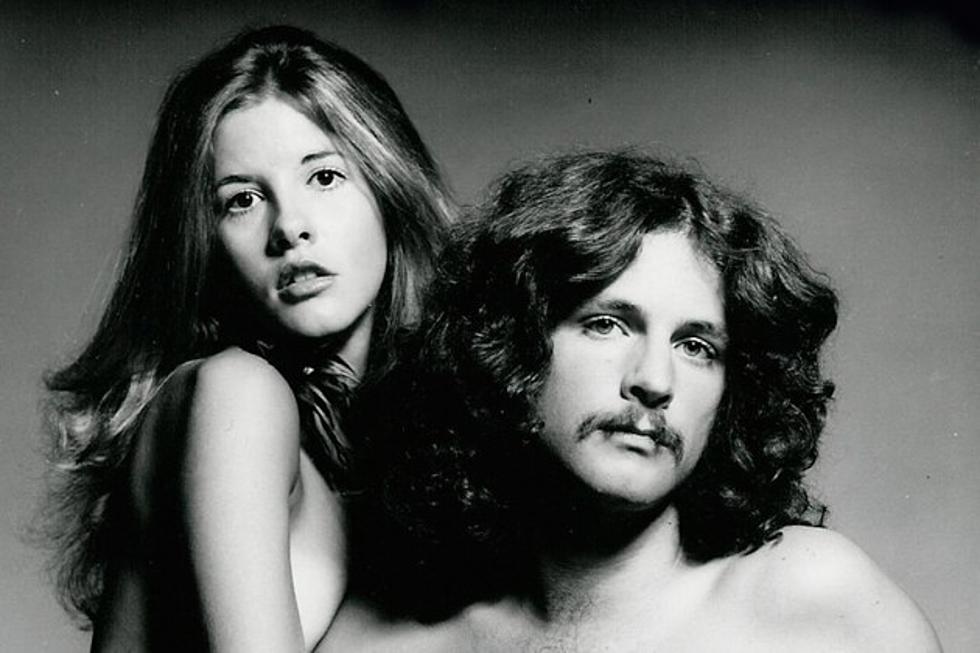
Premise: The turbulent road to success of the band, Fleetwood Mac, whose childhood sweetheart members, Lindsey Buckingham and Stevie Nicks, broke up and began writing songs about each other, songs that would make the band one of the most popular of all time.
About: Rumours finished Top 10 on last year’s Black List. This is the breakthrough screenplay for writers Tyler Austin and Patrick Eme.
Writers: Tyler Austin & Patrick Eme
Details: 121 pages
Uh oh.
Did someone say “Music Biopic?”
And Carson is still in the room?
Yes, it’s true. I have a longstanding rule here at Scriptshadow that all music biopics are awful until proven otherwise.
It’s not the most ridiculous take if you look at the evidence. Most writers who write these things don’t know how to write. They know how to research (if by “research” you mean checking out the first 10 hits on Google) the band/artist they’re writing about then give us the most linear vanilla telling of that story the medium allows.
This blasphemous approach yielded such movies as “Ray” and “Walk The Line,” films that nearly destroyed the biopic after thousands lost their lives dying of boredom while watching them.
The only – and I mean ONLY – music biopic that gave me hope for the music biopic genre was Blonde Ambition, the 2015 number 1 Black List script about Madonna. The reason that script was so good was because a) it was interested in telling a good story all on its own, and b) it wasn’t afraid to dig into the ugly parts of its subject’s life.
Audiences can tell when you’re honest. That’s the art they TRULY respond to because it mimics real life. When you start telling lies, sweet little lies, to make your movie more “commercial,” we’re not going to accept it. ESPECIALLY in non-fiction material, because that’s when you’re most required to provide the truth.
Which segues us perfectly into today’s script. Because today’s script is about the ugly. It’s about the truth. It’s about the rough realities of life, even in the face of being the most popular band in the world.
Wait a minute, wait a minute. Does this mean, Carson, that you actually LIKED a music biopic screenplay? Is that even possible?
Read on to find out.
For those who don’t know, Fleetwood Mac was a gigantic awesome band who could do no wrong for a stint in the mid-70s. It all started when teenage sweethearts Lindsey Buckingham and Stevie Nicks joined up with an already successful band called, Fleetwood Mac.
Their first album together, released in 1975, was a success. But it was during the resulting tour that vocalist Stevie began partying more and meeting lots of people. And while it was never made clear in the script exactly what happened, this seems to have led to Lindsey and Stevie’s breakup.
Now normally when you break up with someone, you go your own ways. But Lindsey and Stevie’s plan was a litttttttllllle different. They started writing songs about each other. Mean songs. Like Lindsey’s “Go Your Own Way.” Then Stevie would come back at him with a song of her own, “Silver Springs.”
That 1977 album would go on to win ALBUM OF THE FREAKING YEAR and Fleetwood Mac seemed, to the outside world at least, unstoppable. But let’s be real. You can’t have that much conflict going on inside your house and expect it not to burn down. Just ask The Beatles.
Lindsey would become obsessed with creating experimental music while Stevie did more drugs than you can find at your local CVS. And she banged a lot of dudes, too. Or, at least, that’s the rumour. Would these two former lovebirds be permanently stuck in this music landscape alone? Or would they find a way to reconcile?
This may be the first wikipedia adaptation of a biopic that I actually liked.
That’s because the material is so juicy.
The first half of this script is notably formulaic. It feels like we’re hitting pre-ordained plot beats on cruise control (they meet, they like each other, they form a band, they struggle, they meet Fleetwood Mac). I remember angrily typing down in the rough draft of this document that this was the FREAKING PROBLEM with music biopics. So vanilla. So linear. So predictable.
But the second there’s trouble in paradise between Stevie and Lindsey, things get good. I’d always heard these two were together then broke up and they may have wrote some songs about each other. But I didn’t know that they were actively not talking and using these songs as weapons against one another. That took this script to a new level.
And I think there’s a fascinating conversation to be had here about what creates good art. That conflict and consternation and weathering the toughest moments in life – that’s what creates our biggest emotional reservoirs to draw from. And nowhere is that better proven than Fleetwood Mac and their Album of the Year, Rumours. It is the sum total of a nuclear blast of conflict.
I think about that when it applies to screenwriting. It’s hard to write something good if there isn’t some conflict involved between you and the piece. Maybe it’s you and the main character. Maybe it’s you and the setting. Maybe it’s you and the subject matter. The closer you are to the pain that inspires your art, the more likely you are to write something good.
So that was a cool “story-within-the-story” to watch.
The frustrating thing about Rumours is that it’s good, but it has the potential to be really good. I can point to three areas where it needs to tighten the screws. By the way, the phrase “tighten the screws” means you’re making a murky element clearer.
The first adjustment is that it never shows us Lindsey and Stevie super in love. We see Stevie giddy when she first meets Lindsey. But then we cut straight to them living in a ratchet apartment and not having a lot of fun together.
If we never experience them being in love – seeing that in their faces and how they act around each other – then the breakup isn’t going to be as powerful. And the breakup is EVERYTHING in this movie. That’s what the movie is about – how this breakup creates the most memorable album ever.
The second adjustment is the writers never tell us why they broke up. It’s all murky and vague. They’re hanging out. Then they’re not hanging out as much. Then Stevie gets an innocent ride home from Don Henley. Then they’re broken up somehow. Come on! This is an important moment. It needs more of a defining scene. It can’t be something that happens off-screen.
(spoiler) Finally, you need a better reconciliation. I like what the writers’ intent was. This movie doesn’t end with Lindsey and Stevie realizing they love each other. It’s more realistic than that. Lindsey goes to Stevie and says he wants to start working on music together again. But they don’t even give us a hint of any happiness between the two. They sit down and begrudgingly start working a song. I’m not asking for Hugh Grant and Julia Roberts here. Lindsey doesn’t not need to tell Stevie that he’s just a boy… standing in front of a girl. I’m asking for a little bit of love. A smile. Have them remember some old moment together and laugh about it. That’s not too much to ask, is it?
If they did these things, I would bump this up to an “impressive.” Because it’s a great story and it’s great music (I went and listened to all their songs afterwards). Well worth the read.
[ ] What the hell did I just read?
[ ] wasn’t for me
[xx] worth the read
[ ] impressive
[ ] genius
What I learned: This script taught me the power of exploring conflict in unique ways. Usually, when you think of conflict between two characters, you think of it in a straight-forward manner. This person doesn’t like that person so they let them know. And the other person lets them know what they think right back. That’s rarely interesting. What’s interesting is when people explore conflict in roundabout ways. Indirectly. Passive-aggressively. Creatively. And that’s what we get here. We get these two people exploring their conflict through song-writing. It’s a reminder that there’s a bigger conflict toolbox to play with than you think.
