
Search Results for: F word
You know, it’s funny. When the New York Times e-mailed to say they were doing a piece on Scriptshadow, I wasn’t as thrilled as someone being contacted by the New York Times should probably be. I knew an article meant more exposure. Which is usually a good thing. But I also knew that every time the site gained awareness, detractors used it as an opportunity to preach their dislike of the blog. Which was never a fun thing to deal with! So I was reluctant. But the implication was the Times was going to do the article anyway, so I at least wanted to give my side of the story.
Unfortunately, as I anticipated, the chirping about Scriptshadow grew louder after the article, with the usual suspects saying the site was hurting writers. This is something I never agreed with. At worst, Scriptshadow was a minor inconvenience to writers I didn’t give a favorable review to. At best, it was teaching thousands of screenwriters via the dissection of the latest script sales/assignments, and helping numerous writers get into the business. It may have operated in a gray area, but the site was doing a lot more good for writers than it was doing bad.
But I also recognize that the growth of the site has changed things. Scriptshadow used to be this little underground blog. And when you’re that guy, it’s easier to take chances, to do and say things you wouldn’t otherwise be able to say or do. I think people see the site as more “official” now, and that’s an issue they have with its current iteration. If it’s “official,” I shouldn’t be operating in this gray area anymore. But I believed so strongly in what could be learned from professional writing, I tried to keep it going as long as I could. I’m just not sure it’s worth taking the risk anymore. My life is pretty great at the moment, and I’d like to keep the headaches to a minimum.
So what does this mean for the site? Well, depending on how you look at it, some potentially good things. New spec reviews won’t disappear completely, but they’ll be pretty sparse, as there will be more of a process involved in reviewing them. I might review stuff that’s been produced but not yet released. We’ll see about that. I have a lot of ideas for posts, and I’m looking forward to experimenting and seeing what clicks with you guys. I want to try and dust off the occasional older spec sale and see if we can revive a few scripts that way. We’ll be delving into recent movies, popular movies, classics, and more amateur screenplays. We’ll also be doing more theme weeks.
But what actually excites me about this change is that I’ll be able to focus more on Scriptshadow Labs and The Scriptshadow Social Experiment. I’ve got about 20 amateur writers I’ve found over the years here at the site who I really believe in. They just haven’t written the right script yet. I want to develop a community with these writers where not only am I helping them where I can, but they’re helping each other. Kind of like the best writer’s group in Hollywood. My goal is to review multiple versions of their scripts on the site, using all of the great Scriptshadow readers to crowd-source suggestions and help these scripts become better. We’d then review the new drafts as they come in, so we can see “in real time” how scripts are developed and how good notes (or bad notes) can affect the improvement of a draft. Hopefully, we’ll get the best of these scripts either purchased, produced, or both, and you guys will learn a lot more about the process in the interim.
The Social Experiment is a much bigger project, something I’ve been saving up for. The idea behind it is similar to the Labs, just on a larger scale, with writers interacting and learning from each other. It will also feed writers into the Labs. I know that sounds similar to some stuff out there, but I don’t want to reveal all my ideas for it just yet, as I’d like to keep some secrets until it’s released. Almost every penny I’ve made has gone back into the site. And I’m going to need a lot of pennies to get this going. But when I do, I expect it to be a game changer.
In other words, I want to restructure Scriptshadow into the best site on the web for amateur screenwriters to learn the craft of screenwriting, while ALSO giving them a chance to BECOME professional screenwriters. To that end, I think change is good. I still don’t think there’s any learning tool better than reading current spec sales, but I’ll try to provide the best backup plan I can.
In closing, I’d just like to say that everybody is entitled to their opinion on the reading and reviewing of professional screenplays. It’s not a black and white issue so I try and listen when someone comes to me with an opposing viewpoint (like e-mails me. Not yells at me on Twitter). What bums me out is that I started this site to promote that amazing tool, and I still think reading and discussing professional scripts is the best way to learn screenwriting outside of writing itself. But at a certain point, it was irritating too many people, and that wasn’t fun to deal with. I still plan to incorporate recent spec sales into the site in some capacity. It just won’t be as reviews.
I guess this means the transition starts now. It’ll probably be a rocky one until I figure out what works, but hopefully something better comes of it on the other side. Thanks for all of your support guys! 2013’s going to be fun. :)
I love it when a screenplay comes out of nowhere. Totally picked this one up out of a pile, and boy did it deliver!
Genre: Thriller/Mystery/Procedural
Premise: The true story behind the assassination of Martin Luther King Jr.?
About: This script was written, I believe, in 2004, where it was hot enough to get Leonardo DiCaprio attached. But DiCaprio moved on to other projects and it never got made. Now was this just because DiCpario wanted to do something else? Or did a certain government body encourage the project to disappear?
Writers: Mark Lane and Donald Freed
Details: 127 pages (undated)

Wow, this one sure came out of nowhere. I’ll admit I wasn’t exactly excited to break it open. I figured another “Lincoln-like” history lesson was coming my way. And since that experience killed a thousand smiles inside of me, I’d have fought in the Civil War to make sure the same experience didn’t happen again.
That’s the thing with documenting these big important historical figures. Writers feel like the writing must, likewise, be “big” and “important.” And when you write that way, you forget the most essential component to telling a story – to entertain. Some of you might disagree with that. You might say the most important component is to teach, or to force the audience to ask questions. There’s some legitimacy to that. But if you can’t keep your audience interested, it doesn’t matter what you’re saying to them. They’re not paying attention anymore.
To add fuel to the fire, this script has long since been forgotten. Forgotten scripts are typically forgotten for a reason. So I expected that reason to surface pretty quickly. But something funny happened when I opened “Slay The Dreamer.” I wasn’t reading a stodgy too-proud-of-its-importance period piece. I was reading an actual story. What do I mean by that? Well read on…
It’s Memphis, Tennessee, 1976. Reverend Jim Lawson, a prominent Memphis pastor who used to march with Martin Luther King, is going about his daily church activities when he gets word that “Grace Walden” has been found. She’s in a nearby state asylum. We don’t know who Grace is, but from the way Lawson reacts to the news, we get the feeling she’s very important.
Lawson’s friends with some local big-timers, so heads over to the courthouse to start looking for a lawyer. He wants someone to help him get Grace out. But no one wants anything to do with him. Apparently the name “Grace Walden” is well-known around here. And she’s a story you don’t get involved with. But Lawson’s insistent. Why? Because Grace Walden seems to know something big. Something about Martin Luther King’s murder.
After being turned down by all the big shots, Lawson meets an awkward up-and-coming white lawyer named Jeff Jenkins. When Jeff finds out that Grace Walden was put in this asylum without any due process, he wants to do something about it. So he goes to visit Grace at the asylum, where he quickly learns that her room is heavily guarded. It’s clear that somebody somewhere doesn’t want anyone talking to this woman.
But Jeff cleverly finds a way to see her, and is surprised to find out she’s white. She’s also heavily sedated, making her act as crazy as they say she is. Still, she’s able to mumble out some names that give Jeff a starting point for an investigation. One of those names is a local drunk who used to live with Grace. He tells Jeff that Grace saw the man who shot Martin Luther King, and it was not James Earl Ray, the man convicted of the murder. Despite that, the FBI came to make her sign a statement saying that Earl Ray is the man she saw, but she refused. That night, agents came to her apartment, took her, and whisked her away to the nuthouse.
Upon realizing that this is much bigger than he originally thought, Jeff goes to his well-established hotshot lawyer father, who surprisingly tells him to ditch the case. It’s not worth it. But something about his father’s warning doesn’t ring true. It’s almost as if he’s hiding something. So Jeff continues to dig, eventually helping Grace escape from the institution, and snagging one of the biggest lawyers in town.
But that’s when shit really goes south. The Reverend realizes that the FBI is monitoring his church. Loads of old files about the King murder are burned. The police and agents start threatening our heroes. If what Grace saw that day really was just the imagination of a mad woman, the authorities sure aren’t acting like it. Could it really be true? Did someone besides James Earl Ray really kill Martin Luther King? And if so, who was it?
Clearly, a script like this is bolstered by the fact that it’s a true story. The producers even say that they’ll provide documented proof of everything written if asked. So you’re not just reading another thriller here. You’re reading a hidden part of history. But then why would this script die? It’s a GOOD script. If there was a 2004 Black List, this would surely make the top 10. My guess is that it’s a hard sell. King was such a huge important figure in our history – to imply a Hollywood-like conspiracy did him in cheapens his legacy in a way. Unless every single fact here was meticulously checked, it could easily come off as sensationalistic and cheesy.
Imagine you’re Leo. You’re getting closer to making this movie. And people start whispering in your ear: “You’re doing a disservice to King’s legacy if this research isn’t extremely well-founded.” Imagine the questions you’d have to face during the press junket. “How real is this?” “How much of this is fact? How much fiction?” That would be my guess on why Leo left. Not because of a lack of quality in the script, but that he would have to stand behind its claims. And that would be hard to do.
But man, if all this stuff is true? What a story! I had a good feeling about it right from the opening tip. When your script is driven mainly by men talking in rooms, your first scene tells a lot. It shows whether you can keep men talking in rooms interesting. The opening scene of Slay The Dreamer introduces the mystery of Grace. Who is this woman? Why is the Reverend so excited about locating her? Why had she disappeared for so long? Why is she in an insane asylum? All of these questions were rushing through my brain after the first scene alone, which meant I was in.
I also loved the choice to make our hero, Jeff Jenkins, an underdog. Always a good idea to wrap your story around an underdog. They’re almost impossible to root against. But what was really cool here were the relationships. They were so intricately woven and unexpected. I loved that Jeff needed his father’s help to bring the truth to light, yet we find out his father was actually working for the side that covered the Grace situation up in the first place! Talk about keeping it complicated.
This is a good script to study for the *changing goal* as well. Remember, scripts usually work best when your main character is pursuing a goal. And if you don’t have one giant goal, you should have a series of goals. Here, Jeff must first find out what Grace Walden’s deal is. After that goal is met, he must now get Grace Walden OUT of the institution. When that goal is met, he must prove the truth, that Grace Walden did not see James Earl Ray run past her that day, and that therefore somebody else killed Martin Luther King. The continuous goals are what kept this story driving forward.
If there’s a fault in the script, it’s probably in the third act. What was a mystery/thriller turns into 30 pages of courtroom prep. And no matter how interesting they tried to make it, it just wasn’t as fun as those first two-thirds of the script. Also (spoiler), and I’m assuming this is obvious since Ray is still listed as King’s murderer, the script ends on an anti-climactic note, with all Jeff’s witnesses and evidence thrown out before the trial begins (a trial we never see by the way). Definitely a bummer to watch all that training and not get to see the heavyweight bout. But that’s the noose you tie around your neck when you tell a true story. You can’t just make something up that didn’t happen.
But “Slay” does get you thinking. I didn’t know much about the details of King’s assassination before this. And now I want to know more. Whatever the case, this was a totally unexpected read. Really fun and entertaining – A Few Good Men meets JFK. If it’s true, then wow, this would make one hell of a movie.
[ ] what the hell did I just read?
[ ] wasn’t for me
[xx] worth the read
[ ] impressive
[ ] genius
What I learned: There are three things every screenwriter should study the hell out of: police procedure, the legal world, and the FBI. It’s impossible to avoid these elements for too long in the movie world. One of them usually pops up in every 2 to 3 screenplays you write. To not intimately know the legal world when you’re writing a script like “Slay The Dreamer” will result in a lack of credibility. Which almost always results in a lame unrealistic screenplay (not the case here – I always believed what the writers were saying). So, where can we find material to help us learn about these things? Great question! I was hoping you commenters could recommend some material…
Amateurs don’t get much love in the screenwriting business. UNTIL TODAY! Here are 15 amateur screenplays that caught my attention in 2012. Let’s find a home for some of them!

Gangnam Style Top 15 Breakdown!
One of the cool things about The Black List when it first came out was that you truly felt like it was celebrating the underdog – the guy who couldn’t catch a break – who couldn’t get his script read by the right people. Over time, as the list grew in popularity, so did the profiles of the writers who landed on it. There were still some little guys, but they were now overshadowed by much more accomplished writers. I think The Hit List has filled that gap to an extent, celebrating only spec scripts (as opposed to assignments, which is where all the high rollers play), but a lot of those writers still have agents. Which means there isn’t any list that celebrates TRUE amateur writers. We’re getting closer to that point, with amateur screenplays being tracked at a pace unheard of five years ago. There are just so many places online to get your script read and noticed. Still, how you siphon all of that into one bottle remains a tricky proposition. While we wait for that process to improve, I can at least give you MY favorite amateur scripts of the year. Keep in mind I’m including scripts that have since garnered representation. To be on this list, all you need is to have been a true amateur (no reps or managers) when your script was discovered this year. Oh, and all of these scripts are available except for The Disciple Program. Here we go…
#15
Title: The Wall (not reviewed)
Premise: A cheating husband’s desperate attempt to keep his son from dating his mistress goes horribly wrong when his son turns up dead. As he clambers to cover his tracks, his life spirals out of control, while his wife searches for revenge.
Writers: Jon Bachmann & Katherine Griffin
How I found it: Consult service
About: This script made the list because of its meticulous plotting. Jon and Katherine really know how to weave characters in an out of each other’s lives in interesting ways. The only reason it didn’t rank higher was because it didn’t have a hook or a juicy role for an actor to play. If you write a character piece, you need at least one of those things, and preferably both.
#14
Title: Guest
Premise: After checking into a hotel to escape her abusive husband, a woman realizes guests in the next room are holding a young girl hostage.
Writer: Matthew Cruz
How I found it: Twit-Pitch Contest
About: Whereas “The Wall” had no hook, this has a great hook. And the idea is catnip to the spec buying world. Producers love contained situations with lots of conflict because they’re cheap to make and easy to market. I don’t think the current draft had enough meat to it, but I hear Matthew’s hard at work improving the script. I’m interested to see what he’s done since the review.
#13
Title: Eden’s Folly
Premise: A left-for-dead rancher wakes up in the middle of the desert with no memory of who he is. He goes off in a search to find out what happened.
Writer: Ryan Binaco
How I found it: Consult service
About: There’s something about Ryan Binaco’s writing that I find intriguing. I’m not a drug-addict, but I imagine this is what it must feel like to be high on peyote. You just get sucked up into another plane when you read Ryan’s work. Sometimes that’s a weird thing. But usually it’s good. There are so many less interesting ways this story could’ve gone. I’ve seen those versions hundreds of times from lesser writers. But you’d be hard-pressed to guess where this one’s going. I wouldn’t say that all the choices are satisfying, but they’re certainly unique.
#12
Title: Fatties
Premise: When a lonely masochistic chubby chaser is abducted by two fat lesbian serial killers, it’s the best thing that ever happened to him.
Writer: Matthew Ballen
How I found it: Twit-Pitch Contest
About: Fatties may be my most controversial script endorsement of the year. Say what you will about the disturbing subject matter, but I dare you to stop reading Fatties once you’ve opened it! There’s a scene in here you will never forget no matter how hard you try. And somehow, at the end of the rainbow, is a love story you’re kinda rooting for. This script made me feel slimy, but in an ooey-gooey way. Yummy. More Fatties!
#11
Title: Nine Twelve
Premise: A man embarks on a relationship with a 9/11 widow after claiming to have lost his brother in the attacks.
Writer: Edward Ruggiero
How I found it: Consult Service
About: Dramatic irony, dramatic irony, dramatic irony. Nine Twelve shows us how powerful the tool can be. It’s why I highlighted D.I. so extensively in my book. Here, we can’t look away from this relationship because we know something this poor woman doesn’t – that our hero is lying to her about everything their relationship is based on. The script is an incredibly difficult sell because the main character is so unlikable. But it manages to keep our attention all the way through. Can’t wait to see what Ed comes up with next!
#10
Title: 3022 (not reviewed)
Premise: The crew members on a space shuttle 600,000 miles from Earth must question their individual fates and fight for their lives after their home – Earth itself – is destroyed.
Writer: Ryan Binaco
How I found it: Consult Service
About: Ryan is back with a second script in the Top 15! This one is a cross between Solaris, 2001 and The Fountain, with just enough “mainstream” to keep it marketable. I’ve actually read a couple versions of the script, and I hear the latest version (which I haven’t read yet) is doing really well over at the Black List site. I’ve hinted to Ryan that he’s gotta make the story accessible if he wants someone to snatch it up. But at the same time, I don’t want to stifle the craziness that goes on in his head too much. That’s what makes his scripts so different!
#9
Title: Proving Ground
Premise: 9 strangers wake in a deserted Mexican town besieged by killing machines: they must discover why they’ve been brought there to survive.
Writer: James Topham
How I found it: Twit-Pitch Contest
About: Proving Ground was the winner of my Twit-Pitch contest. It wasn’t perfect, but it was a really cool idea with a sound execution. The reason this one makes the Top 10 is because I want to see this movie! I want to see these people being attacked by these giant machines. I want to see them trying to figure out how they got here and how they’re going to get away. There are too many spec scripts in Hollywoodland that are well-written but not “big” enough to be made into movies (I liked Nine-Twelve, but its too small to get a producer excited about it). Proving Ground is not one of those screenplays!
#8
Title: Saving Lexie Lee (not reviewed)
Premise: When a popular high school girl looks into some mysterious murders happening around town, she’s shocked to find out that she may know the killer.
Writer: Michael Morra
How I found it: Consult Service
About: I really liked this one, so much so that I asked Michael if I could come on as producer. We’ve since played around with the script and while we’re getting close, there’s something that isn’t quite there yet with the ending. The thing I liked about the script was that it had this really weird structure that you never see in these types of films. That’s proven to be a roadblock for some, since it requires a complete rethinking of how these movies work. But I still have faith in its unorthodox approach. “Lexie Lee” is basically “Scream” but with a really fucked up second act. We’ll figure it out eventually. And when we do, I have a feeling this could sell.
#7
Title: Lovin’ Brooklyn (not reviewed)
Premise: When her rich step-dad cheats on her mother, a young girl is forced to move into her aunt’s home in Brooklyn, where she’s introduced to a “player” pizza boy who needs her to help him win a dance competition.
Writer: Guy Guido
How I found it: Consult Service
About: The thing that kills me is finding a really good writer who’s written a script that’s tough to sell. Guy is a kick-ass writer. He’s the kind of guy you’d want to write your next romantic comedy or “Save The Last Dance.” But Lovin’ Brooklyn is so specific, you’d have to find JUST THE RIGHT buyer for it, and it’s never easy finding that buyer. With that said, the success of Silver Linings Playbook gives me hope for Lovin’ Brooklyn, as there are some definite similarities between the two. This could be the next cool dance flick that breaks that “on the bubble” young female TV star.
#6
Title: Keeping Time
Premise: A for-hire time traveler who specializes in “preventing” bad relationships meets his match with a mysterious woman who claims to also be a traveler and is determined to stop him from completing his mission.
Writer: Nathan Zoebl
How I found it: Amateur Friday
About: After my review of this script, Nathan snatched an agent at WME (Mike Esola) and went through a couple of close calls getting talent attached. I couldn’t resist being a producer on this one either as I’m always looking for the next great time travel comedy. Now it’s a matter of stepping back, possibly doing another rewrite or two, and getting this script back in the game. I really want to make this one happen so if you’re interested, e-mail me!
#5
Title: Fascination 127
Premise: A group of men are hired by a mysterious client to remove Jim Morrison’s casket, give it to him for 24 hours and then return the casket into the ground before it is publicly exhumed to be moved to the United States.
Writer: Alex Carl
How I found it: Amateur Friday
About: This script totally took me by surprise. I thought it was going to be a half-assed weed-driven series of college conspiracy theories on what happened to Jim Morrison. Instead, it was a taut highly-engrossing heist film. But even better, Alex and I took everyone’s feedback from the review and incorporated the best notes into the script. Alex is almost done with his latest draft and I can confirm that it has gotten a LOT better. Once it’s finished, we’ll go out there and, at the very least, land Alex an agent.
#4
Title: Reunion
Premise: At their ten-year reunion, a formerly bullied outcast decides to enact revenge on the cool kids who made his life miserable.
Writer: Adam Zopf
How I found it: Amateur Friday
About: I know, I know. This is kind of a cheat. I originally aired this review in 2011. But since I didn’t have an official “Best Amateur Scripts” list for 2011, I decided to move Reunion to 2012. So what’s going on with the script? Some good stuff, depending on how you look at it. The production company that optioned Reunion wasn’t able to get it going in time, so the script’s reverted back to Adam! That means it’s back on the market. I’m going to meet with Adam some time this month and we’ll discuss Reunion. Who knows? Maybe we’ll end up working on it together.
#3
Title: Rose In the Darkness
Premise: A secluded boy’s way of life is threatened when he befriends Rose – the girl whom his parents have imprisoned in the family attic.
Writer: Joe Marino
How I found it: Amateur Friday
About: To think that Joe wrote this and he isn’t even finished with college yet! The review led to Brooklyn Weaver at Energy Entertainment reading and loving Rose. We’re pairing together to produce and Brooklyn is also managing Joe now. Some folks have been put off by the ultra-dark subject matter in the script but I think it’s only a matter of time before we find a home for this one. If you’re a production company who’s not afraid to take chances – if you want something on your slate riskier than the typical garden variety horror fare we’ve seen as of late, let me know. I’ll get you Rose and we can take it from there.
#2
Title: 300 Years (not reviewed)
Premise: After waking up 300 years in the future, a San Francisco bike messenger learns that the world has been taken over by aliens, and that these aliens now keep humans as pets.
Writer: Peter Hirschmann
How I found it: Consult Service
About: What I love about Peter is that he’s gone all in after getting an agent (at Verve) and manager (at Kaplan/Perrone) since 300 Years broke. This man is furiously working on his new spec, as well as flying in and out of LA to take meetings for potential assignments. The assignment market is very competitive, but Peter’s gotten super close on a few big ones. I’m sure it’s only a matter of time before he scores one. In the meantime, I wait with baited breath for his new spec. Peter keeps his ideas close to the chest, but from the bits and pieces I hear, they sound awesome. And yes, I’m still a producer on 300 Years, along with Jill Messick. We’re going to push this script hard again once we get a director attached. :)
#1
Title: The Disciple Program
Premise: A man wakes up to find his wife dead and no memory of the night before. His investigation into her death will lead him to a top secret government-sponsored program.
Writer: Tyler Marceca
How I found it: Consult Service (later reviewed on Amateur Friday)
About: Lots of people ask for updates on Disciple. This is all I can tell you. Morten Tyldum, the director attached to Disciple, recently signed on to direct The Imitation Game. So it looks like that’s his priority now. I think they were shooting for a tiny opening in Whalberg’s (also attached) schedule early this year, but they weren’t able to make it. What does this mean? Well, Whalberg has 10 billion projects lined up, so I’m not sure. But hopefully they figure out a way to make it work, or if they don’t, another package comes on board and gets it rolling, sort of like what happened with Prisoners. You’re always hoping for that dream scenario where you get the spec sale and then six months later, you’re shooting. But usually, you have to endure a few speed bumps along the way to the promised land, so I’ll keep hoping and wishing Tyler luck!
Again, all of these scripts except for Disciple are available. Feel free to e-mail me if you’re a producer/agent/manager and I’ll send you copies of the scripts you’re looking for. Sorry there are still no comments in the reviews I sent you back to. I still have to transfer Disqus comments over from the old site! Oh, and if you’ve read any really good amateur scripts yourselves, don’t hesitate to mention them in the comments section!
Is one of the most hated movies of the year really in my Top 10??
I have to admit I was a little disappointed by this year’s crop of films. There was nothing that truly wowed me, that I HAD to recommend to my friends. There should be 2 or 3 movies a year where as soon as they’re over, you call your friends and say, “You have to see this now!” That’s not to say it hasn’t been an interesting year in film. We had a lot of stories, starting with the trilogy-closing Dark Knight Rises. I think Nolan’s penchant for extending his stories out past traditional run-times really hurt him on this one. The film clearly felt 45 minutes too long. Skyfall was adequate, but hardly recommend-worthy. The Hobbit is more a talking-piece than a film (it’s impossible to see that film in 48fps and not want to discuss the technology afterwards). I wish I liked Family Guy more as “Ted” appeared to be the breakout shocker of the year. “Safe House” was also pretty good for what was a safe (no pun intended) script. It also became the second-highest grossing movie of the year that came from a (true) spec script, at 126 million (Snow White And the Huntsman was number 1 at 155 million). No spec script films made it into the top 10. :) Let’s try and change that in 2013, guys.
The Bourne Legacy lost its mojo with the exit of Matt Damon. Argo was decent, but carried with it a strange seriousness that was always at odds with its outlandish true story. I’m still not sure why Judd Apatow made a movie based around the two most annoying characters from Knocked Up. But I was surprised to find that I actually liked the comedy crop of 2012. The Campaign, That’s My Boy, and The Dictator were all funny. None of the three were good enough to make my top 10, but they all made me laugh pretty consistently. It’s another reminder that you never know with comedies. I didn’t like the scripts for The Campaign or That’s My Boy, but the comedic mastery of those actors totally saved the projects (Will Ferrell is hilarious in The Campaign).
A few movies that I didn’t get to see but wanted to were Wreck-It Ralph, Cloud Atlas, and End Of Watch. I haaaated the End Of Watch script but everyone who sees it tells me it’s great. I hope it is. I’m always fascinated by bad scripts that become good movies. So I’ll be seeing that one soon. Oh, and there was one other movie I forgot to put on my Worst Of 2012 List yesterday: “The Watch!” What the heck was up with that movie??? Four guys sit around for 90 minutes. That’s the movie! That was one of the strangest viewing experiences I’ve ever had. Literally NOTHING happens. Anyway, enough of the trashing. It’s time to celebrate cinema. Here are my Top 10 films of 2012.
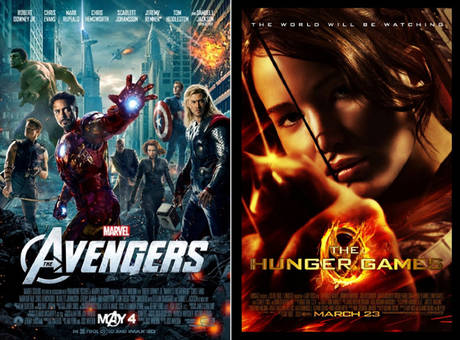
10) The Avengers/The Hunger Games – As much as I love good writing, I also enjoy seeing what happens when Hollywood goes all in on a movie. I love to see where they put their money. I love to see the latest advancement in special effects. I love to be taken somewhere I’ve never been before. Plopping down in that seat and turning off my brain off for two hours is a welcome relief from all the analyzing I have to do. Does that mean these movies were great? Hell no. If any of you said, “Yeah, but Carson, Plot Point A from Avengers is terrible and Decision C from Hunger Games is stupid,” I probably wouldn’t argue with you. But that doesn’t matter as much when you have Hulk smashing. Or Iron Man and Thor fighting (despite the fact that there’s no reason for them to!). And you know, I LIKED the setup for Hunger Games. Do I wish it would’ve been rated R so that we REALLY saw what happens when kids fight each other to the death? Sure, but of course that movie will never be made. For a PG-13 treatment of the idea, however, I thought they did a pretty good job. These movies were vaporware. I’ll never see them again. But for the 2 hours I sat there and watched them in the theater? They were fun!
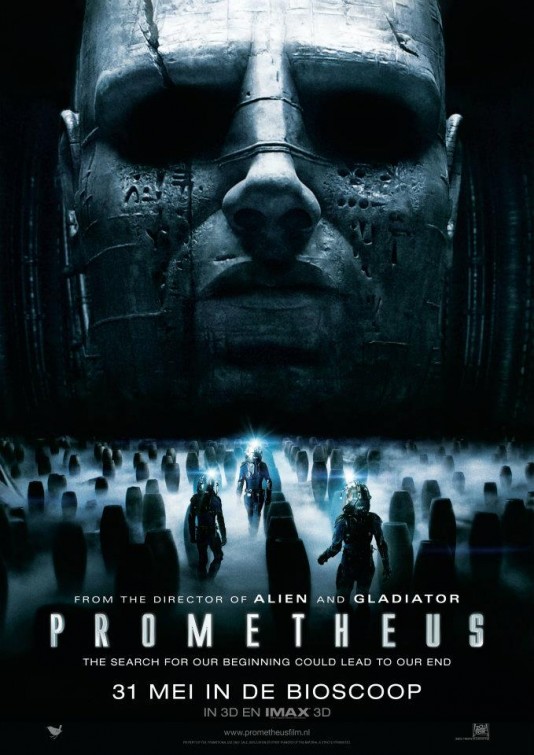
9) Prometheus – I almost didn’t include this one just because of how much shit I’d get in the comments section for it. But then I put my big boy pants on and buckled up because I LIKED this movie. And no one’s going to convince me that I didn’t! I still believe a lot of the blowback has to do with franchise expectations and a killer trailer that promised a classic. I went into this with no expectations and didn’t see that trailer. So I wasn’t burdened by these things. And what I got was a compelling interplanetary mystery. A group of scientists head to a remote planet to inspect what could be the origins of mankind. Shit goes wrong. Sounds cool to me! The thing is, it’s hard to present a contained story like this where monsters/baddies aren’t chasing our characters around. Without them, the story can feel a little slow. You could make the argument that not much “happened” in Prometheus (if you weren’t into the mystery) until the third act. But I was into the mystery. I wanted to find out who these big bald white dudes were. So I was down til the final frame. I loved the production design. I loved the way the film was shot. I thought the acting was top notch. I loved the surprises in the plot. This movie was fun, and not even close to how bad you guys think it is. You wanna see what TRUE bad looks like? Watch this video. You’ll have a new found appreciation for Prometheus.
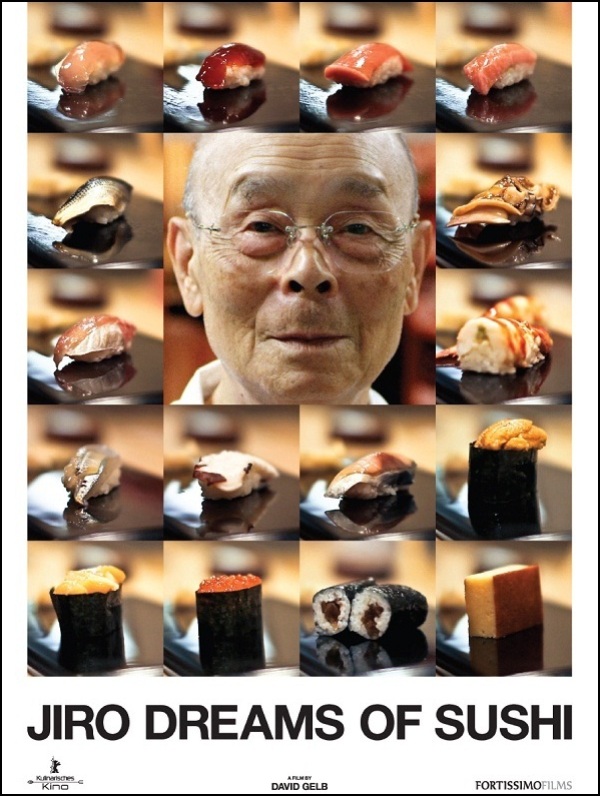
8) Jiro Dreams Of Sushi – It may appear as if I’m trying to gain some geek street cred after celebrating one of movie geeks’ most hated films of the year. I mean, Jiro Dreams of Sushi is the most film snob of choices: A foreign documentary with subtitles! But I loved this movie and let me tell you why. It’s about the best Sushi Chef in the world. His restaurant received the elusive 3-star Michelin award. For those who don’t know what that means, it means that food critics believe the restaurant is good enough JUST TO FLY INTO THE COUNTRY FOR. But what I really like about this movie was that you could just as easily apply the lessons learned to screenwriting. Just like screenwriting, creating sushi is a craft. It looks simple. Just add rice and a piece of raw fish (just words on a page). But it takes thousands of hours to perfect that craft (sound familiar?). Jiro is so meticulous that when he’s serving a party, he actually makes the sushi pieces for the women a little smaller than the ones for the men, so that they all finish at the same time. You will never look at sushi (and maybe screenwriting) the same way again after watching this film, which you can find on Netflix streaming.
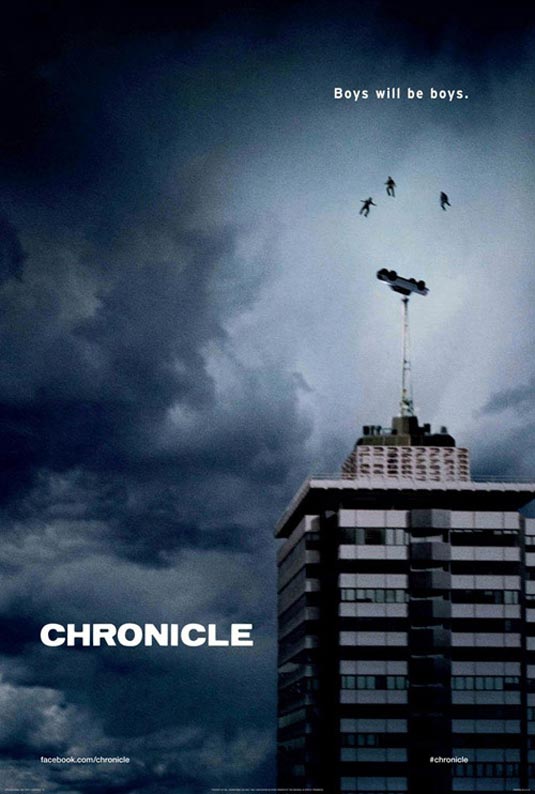
7) Chronicle – I love when writers take ideas and evolve them. The found footage thing was reaching its breaking point in the horror genre. So to move it over to high school kids discovering a mysterious glowing object and developing super powers was kind of genius. The movie’s not perfect (no film on this list is, unfortunately) and they probably overplay the amount of abuse its main character had to go through (the scenes with daddy beating hero were ridiculously over-the-top), but you also have to commend the film for wrapping its story around an anti-hero, something you don’t see in many mainstream movies not named “Pirates Of The Caribbean” these days. And I don’t know, seeing it all go down via hand-held video gave it a realistic feel the movie never would’ve accomplished had it been shot traditionally. The effects were good too! Chronicle was a nice surprise.
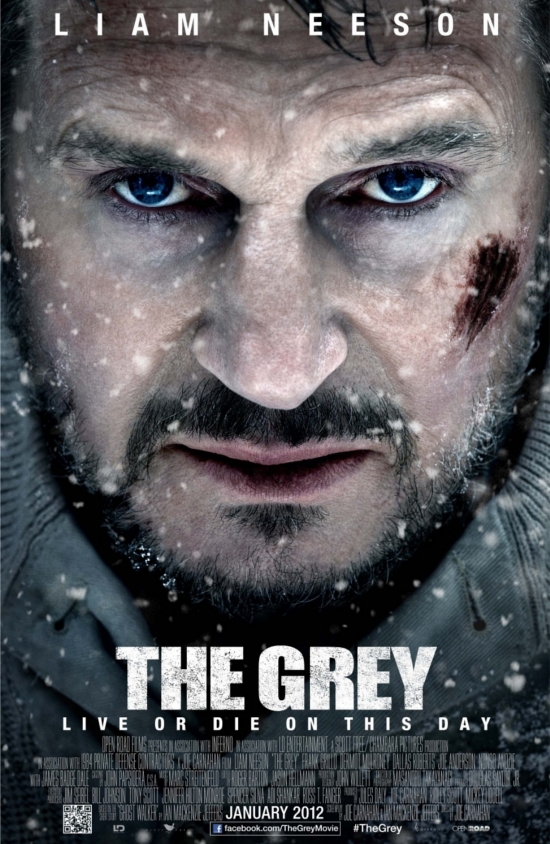
6) The Grey – It’s impossible for me to disassociate this viewing experience from my original reading experience. For those who don’t know, I went gaga over this script when I first read it. And I was constantly getting updated on the movie as it went through various stages of development/production. To see it come to screen felt a little bit surreal. The big difference, I felt, between the film and the script, was that the film felt a little more hopeless, a little more depressing. I don’t know why, but I felt hopeful while reading the screenplay. Maybe in the way Ottway challenged those wolves. How he always knew what to do. And, of course, when he finally takes the Alpha on in the end (which wasn’t shown in the movie). I wish the movie would’ve embodied more of that hope. Despite that, the script nailed everything else that made the script great. You felt for Ottway. Neeson delivered those amazing voice overs perfectly (and his performance overall was awesome). The plane crash was great. The conflict between the characters was great. The conflict between the humans and wolves was great. There were a few slow spots, but overall, I really liked this one. Still think he should’ve fought that wolf though!
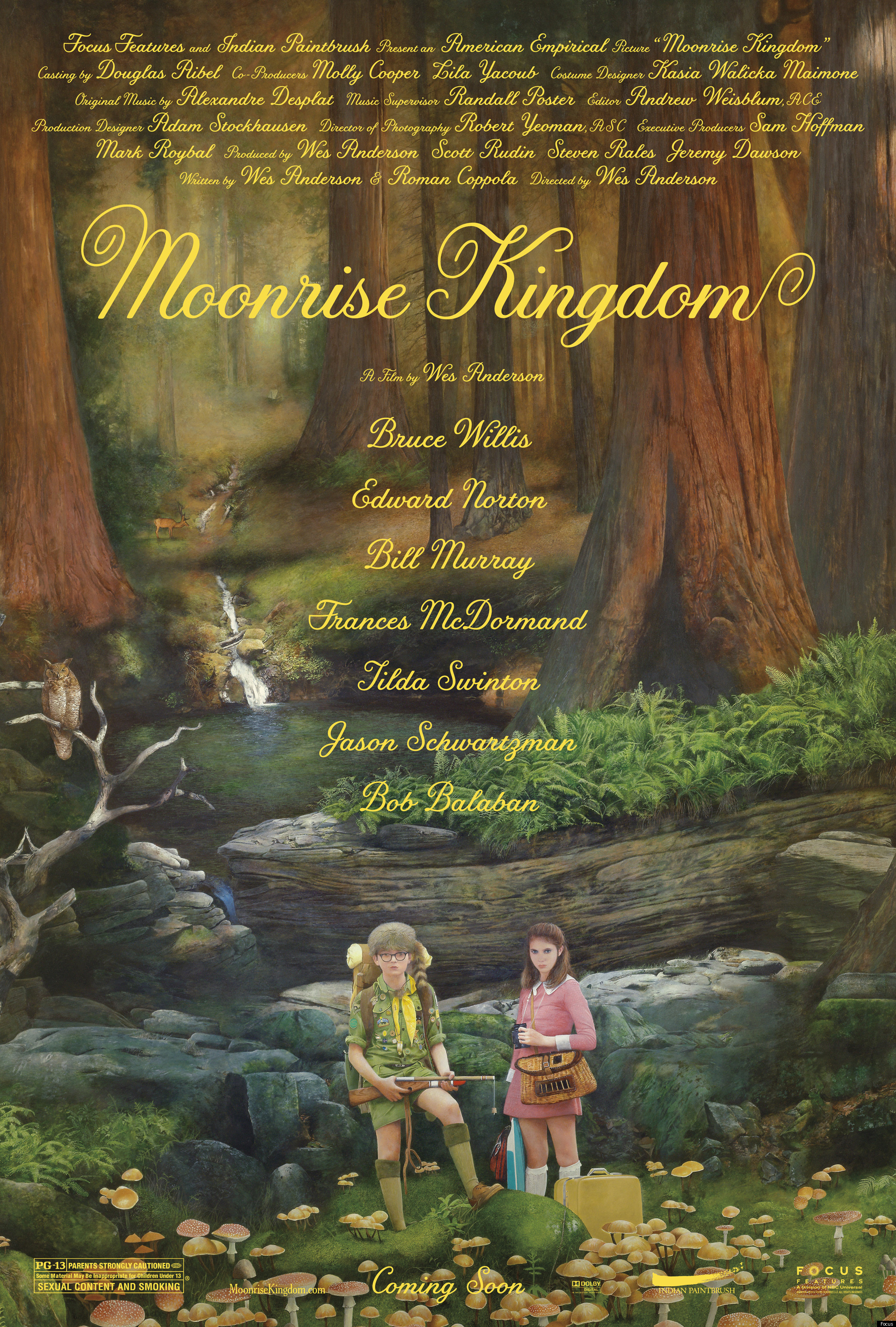
5) Moonrise Kingdom – Wes Anderson is back! He found his mojo! Life Aquatic and Darjeeling Limited were okay, but they felt like he was treading water. Moonrise proves that Anderson is best when he’s dealing with the awkwardness of youth. This is the way a love story should be told, dipped in messiness and rolled in weirdness. I LOVED the performances of the two leads, Jared Gilman and Kara Hayward. I loved that Anderson wasn’t afraid to push the envelope with their love, going places you’re not going to see in any Sisterhood Of The Traveling Pants sequels. I do wish Anderson would continue to evolve the look of his films. It’d be nice to see an occasional frame without everybody centered in it and staring at the camera, but hey, that’s his voice. And it worked nicely for Moonrise.
4) Zero Dark 30 – It’s dark. It’s serious. It’s a lot of un-botoxed people in rooms having important conversations. But it’s also good! I have to give it to Boal and Bigelow. They gave us a tension-filled thriller with an amazing climax. Do I wish the thing were shorter? Of course. Do I wish Jessica Chastain would’ve smiled once during the movie? Sure. I think if that character would’ve been more charismatic, more interesting – if we had known more about her, this film could’ve been a classic. The wall they put between us and her really hurt the film because she’s our connection to this story. We needed to get inside of her (that sounded wrong). But outside of that, this really did feel like how it would be behind the scenes in the hunt for Bin Laden. And it’s also another endorsement for the Goal-oriented screenplay. Make the goal big enough, and you’ll have us wrapped around your finger til the very end!
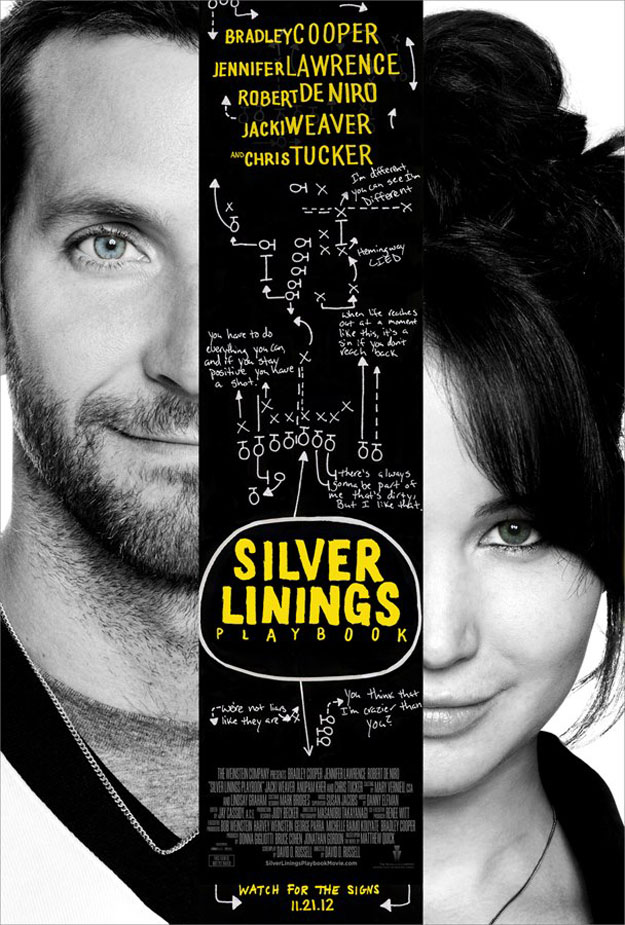
3) Silver Linings Playbook – Again, it’s the same advice I just gave you with Moonrise. If you’re going to write a love story, give us something different. We’ve seen the normal stuff a billion times over. You’re going to bore us to pieces if you do it again. Playbook has a main character who just got out of the nuthouse, a romantic interest who just lost her husband, fucked every guy at her work, and who is ALSO crazy, and the two enter a dance competition together, of all things. It’s just so bizarre. But it also works! — Was interesting to see that the big change from the draft I read was the betting stuff with the dad. That wasn’t in the script. My guess is that with Robert De Niro playing the father, they needed to beef up his role. Hence the change. It’s a great screenwriting lesson actually. Write every character as if you’re trying to snag a big actor. You’ll find yourself looking for unique interesting things to do with the character you never would’ve thought of had you been writing somebody “normal.” This is easily the best date movie of the year.
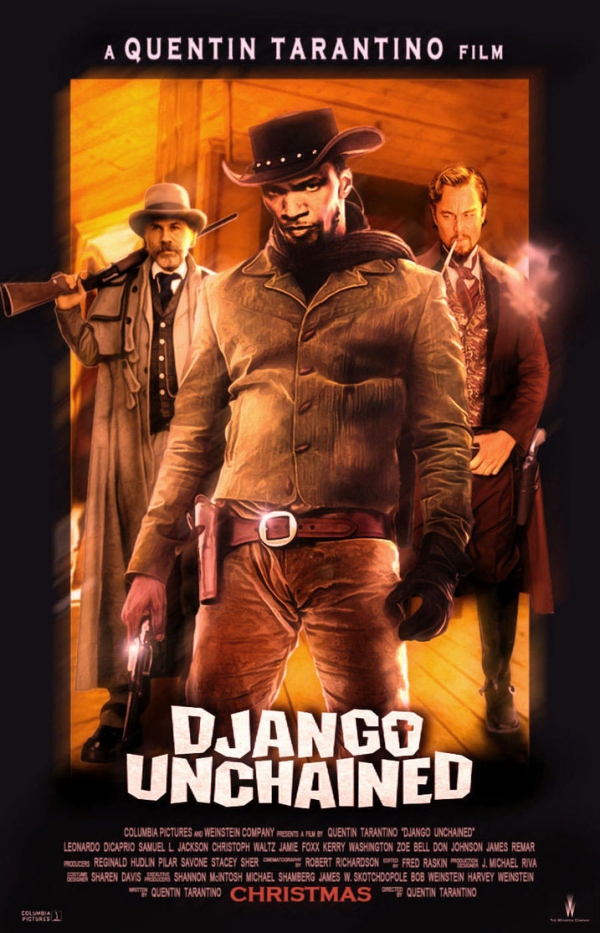
2) Django Unchained – It’s funny walking into a film and knowing you’re going to love it. I mean this script was PHE-NOM-E-NAL. But then how is Django Unchained only number 2 on my list? Wasn’t this a Gangbusters shoe-in for number 1? Well, here’s the thing. I’m not a huge Jaime Foxx fan, and I’m kinda surprised Quentin cast him. I thought he was going to pull a Pulp Fiction or Inglorious Basterds and pluck somebody out of obscurity we’d never heard of, or at least someone we hadn’t heard of for a long time. Foxx was the safest casting choice Tarantino’s made in a major role in his entire career. I was hoping I’d be wrong and Foxx would nail it, but I’m not sure he did. He was good, just not great. But outside of that, I thought DiCaprio was awesome. I love Waltz in anything, and he was great here. I loved Sam Jackson, who was a perfect villain. And all the scenes played out just as amazingly as they did on the page. Oh, and let’s not forget the only part of Tarantino’s scripts you don’t get in the script – the soundtrack! Once again, Tarantino proves he’s a master in this area. This is one of the only films I saw this year that I’ll be seeing again. Awesome stuff!
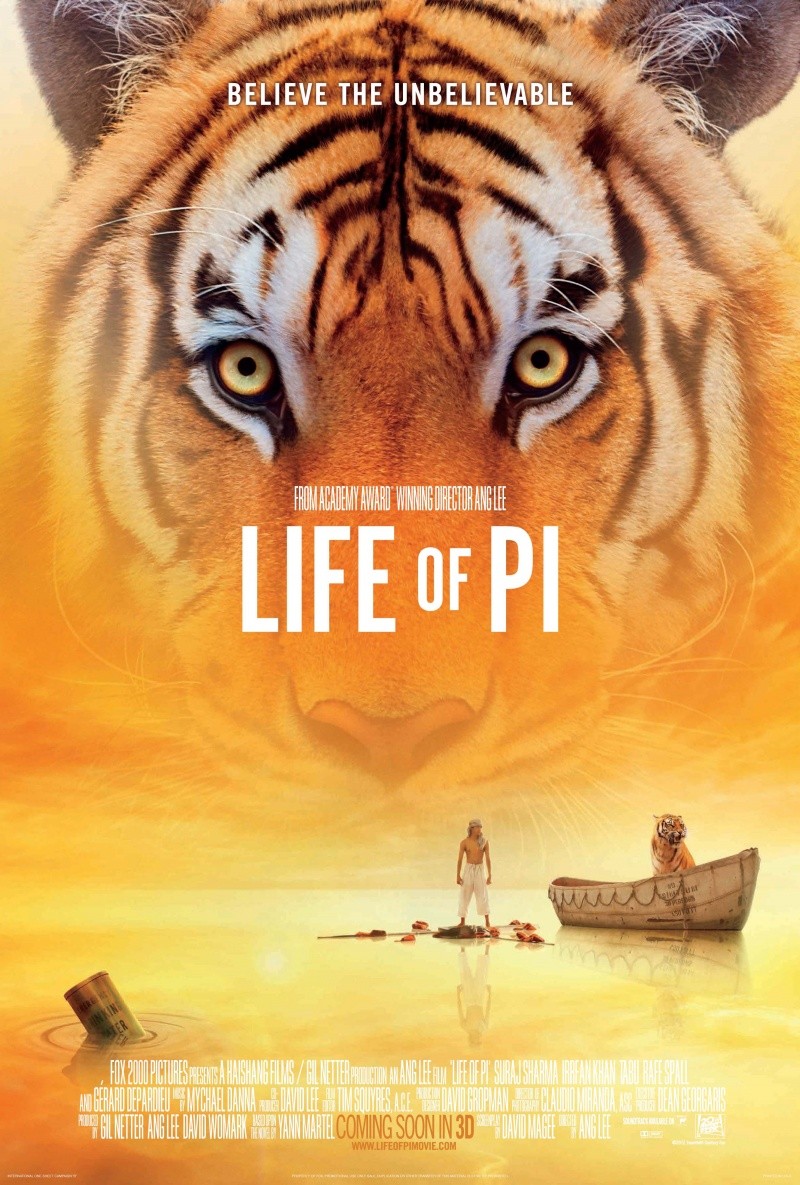
1) Life Of Pi – They say the movies that leave the biggest impression on you are the ones that burrow deep down inside your soul and challenge you to face things you’re either afraid of or never considered before. I’m not the most religious person in the world, but faith and religion do fascinate me. (spoiler) Life Of Pi finishes with an amazing question: “Which story do you believe?” I don’t want to spoil it by going any deeper than that, because the twist ending is what sets this film apart, but it’s a cool challenge the movie sets forth. The main character says he has a story that’ll make you believe in God. And Ang Lee did a pitch-perfect job of bringing that story to life. I thought this book was un-adaptable. And he found a way to make it even better! This is the only movie I’ve seen since Avatar that I’d recommend seeing in 3-D. There are these amazing shots both under and above water that have you double-checking your glasses to see if you’re really in the theater. The sinking ship with our main character treading water while watching hopelessly in the foreground has to be the best shot I saw in 2012. The acting from Old Pi is phenomenal. You want to talk about deserving an Oscar – Irrfan Khan puts everybody this year to shame. Even the kid who played Pi, who I was the most worried about, did great. This is a visual masterpiece with a heartwrenching friendship between a boy and a tiger with an ending that’ll make you question everything you know. The best film of 2012 for me!
Get down with the requisite Prometheus bashing, then tell me what your favorite movies of the year were! And stay tuned for Friday as I unleash my top 10 favorite amateur scripts of the year!
Nothing gets movie lovers more juiced up than when you tell them one of their favorite movies stinks. So you probably don’t want to read this article if you’re still wound up from the holidays.
Barring the occasional exception, I’m not into bashing material. I like to celebrate movies, not call them names. Or at the very least, celebrate what we can learn from them, regardless of whether the screenplay/movie is any good or not. However, there are some situations where the claws come out. I hate when productions clearly don’t put any effort into the screenplay. It drives me mad. They think they can cover up a bad story with cool effects or a hot actor, even though that’s proven to never work. And then there’s that passionate movie-lover side of me that just gets pissed off when I’m watching a piece of junk. It’s no one’s at fault. But I paid for the thing so if I have a strong opinion on it, I wanna to share it with someone (or someones). Believe me, I know how hard it is to make a movie. I’ve tried to do it myself. Just getting a production in the can and then releasing it in movie theaters? That’s something 99.999999999% of the people on this planet could never do. So there’s a certain respect I have for anybody who can achieve that. But I’m still a film lover at heart, so when I feel passionate about something, good or bad, I want to get it out. So are you ready? Here are the ten worst movies I saw this year…
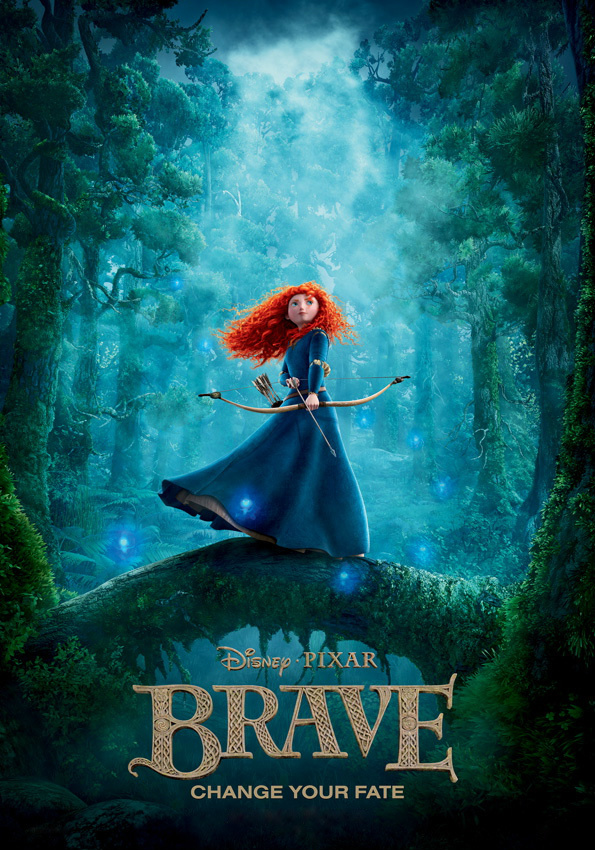
10) Brave – This is an interesting one because I wouldn’t use the word “hate” to describe my reaction to it. It was more like, “Huh?” We’re so conditioned to expect greatness from Pixar, particularly on the screenwriting side, that it’s baffling something like this could get through their system. They rewrite their scripts over and over again after numerous pre-viz previews and feedback sessions from some of the smartest story guys in the business. So why was this story so lame? And odd? And uneven? It just never seemed to know where it was going. I’ll tell you when I knew it was doomed – when the main character visited the witch in her little hut. That scene felt desperate as opposed to focused, like a production that knew it couldn’t dig itself out of the hole it’d dug and had to do a lot of dancing and ranting to distract you from the reality. Which was that this movie stunk. I still don’t really know what Brave was about. Talk about disappointing.
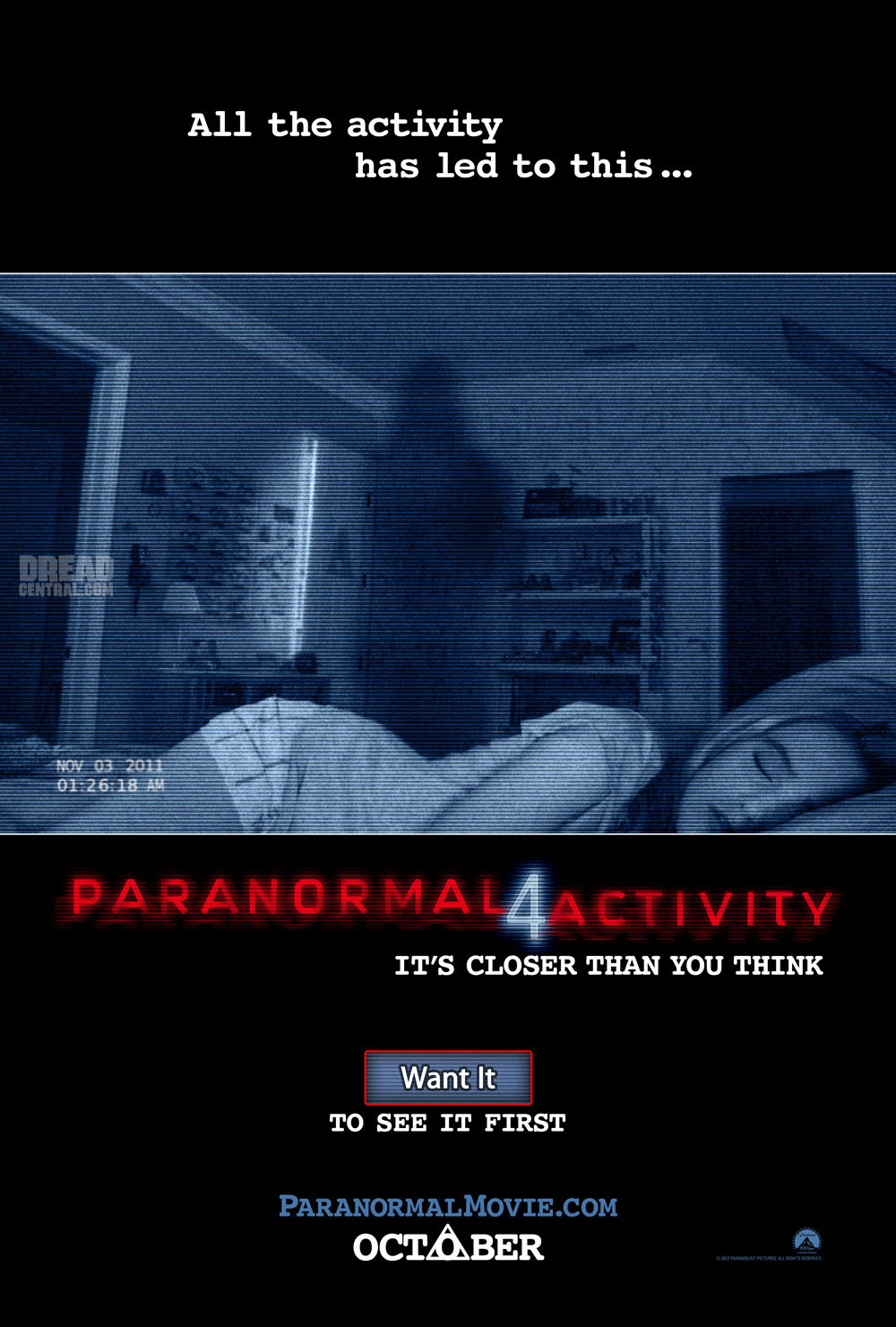
9) Paranormal Activity 4 – Look, let’s not forget what’s going on here. Paranormal Activity 4 is a cash-grab of the highest order. We shouldn’t be expecting much. Add onto that the tired “Paranormal Activity” format and this script had an uphill battle from the get-go. But seriously, ya gotta give us SOMETHING to latch onto. ANYTHING. This is the first scary movie I’ve ever seen…WHERE NOTHING SCARY HAPPENS! Even the promotional scare was lame (a girl rising above her bed). My friend and I looked at each other after this was over and said, “That’s it?” Then we looked down at a couple below us and they turned to each other and said, “That’s it?” I’d rather watch a 24 hour marathon of Honey Boo-boo than this again. What a boring movie.
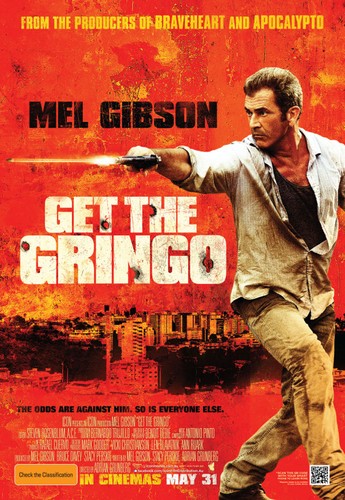
8) Get The Gringo – Here’s the thing. Crazy Mel Gibson has been blacklisted from Hollywood. It means all his movies go straight to video now. But Mel’s still an interesting storyteller. He likes to try different things and has a pretty good eye for material. So I’m still willing to check out the stuff he does. That is until I saw “Get The Gringo.” This movie…was just…awful. As best I can explain it, Mel Gibson ends up in a Mexican prison, but this prison is actually a little town (yes, a Town Prison! WTF???). He then roams around this town speaking in long drawn out voice-overs that give us redundant insight into what he thinks about this new life of his. At some point, of course, a kid shows up and I think Mel becomes a surrogate father to him or something. But by then I was so bored I wanted to melt my eyeballs in the Mexican sun so I would never have to watch the second half of this dreadful movie.
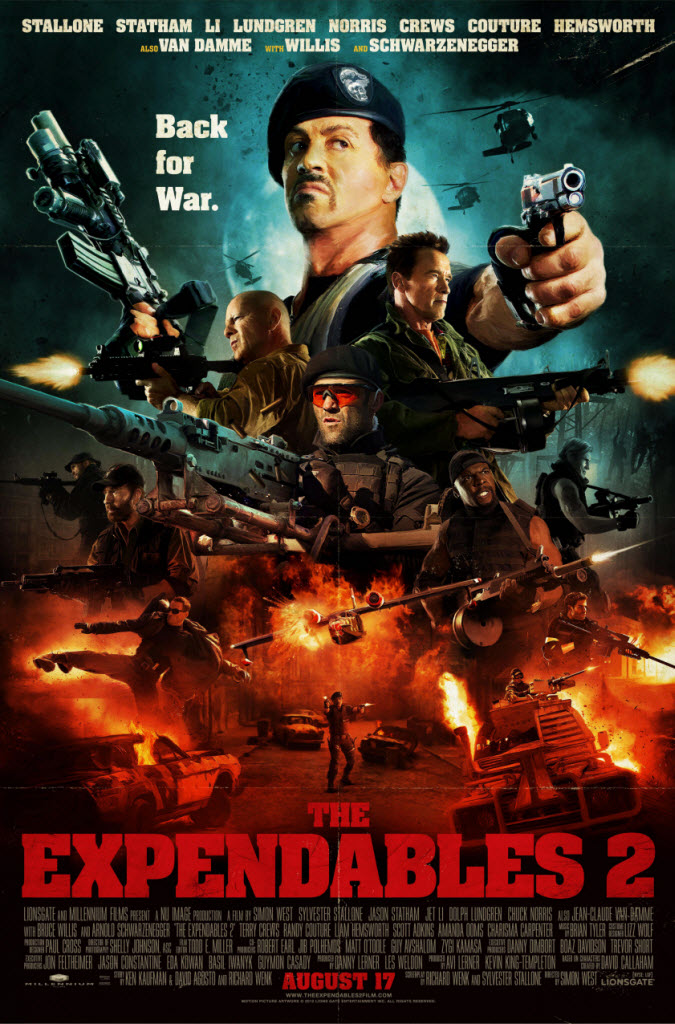
7) Expendables 2 – I’ll probably take some flak for this one because the movie is supposed to be fun and stupid and silly and shouldn’t be taken seriously. But I just found the whole thing to be tired and obvious. Oh, they’re battling an army and then that army is mysteriously taken down by someone and then who should come out of the shadows but…Chuck Norris! I don’t know. I just felt like I was always ten minutes ahead of the jokes here. Nothing was surprising. The ONLY credit I give the movie is when I found out Jean-Claude Van Damme’s character was named “Villain,” yet pronounced in a French accent (so “Vil-ann”). Except I only got that joke by stumbling on the name when I was checking Expendables 2’s IMDB page. So the only good joke is one I didn’t get from the movie itself! And then there was the cinematography. Did they shoot this movie on a Best Buy camcorder? I mean seriously. This was the cheapest looking production I have seen for a Hollywood action film since the 80s. And then every scene felt like it was done in one take. There were awkward pauses, almost-botched lines – an overall feeling that actors had flown in for their 2 days of shooting and didn’t have time for second takes. I admit this is not my thing but this movie was stupid.
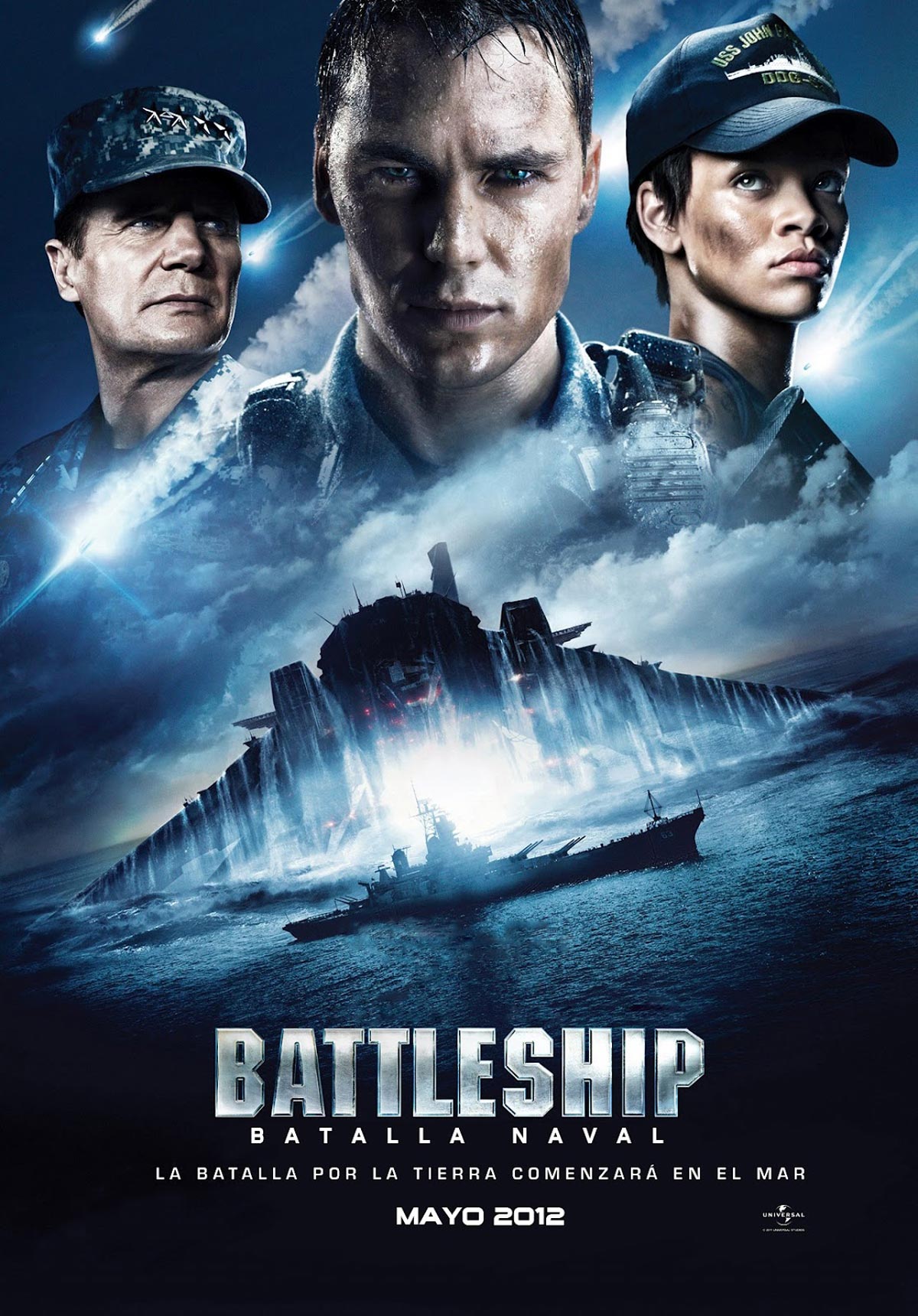
6) Battleship – This was bad. Wanna know how bad? It actually proved that you can try to make a movie like Transformers and do worse. I have a newfound respect for Michael Bay. I don’t know where to start with this one. You base a movie on the game Battleship, yet you turn it into an alien invasion movie? When were there ever aliens in the Battleship game? Then you populate your film with models and pop stars instead of actual actors? If we don’t believe the words coming out of the characters’ mouths, how can we believe what’s happening to them? Then there’s just the fact that the movie blatantly rips off Transformers, right down to the sound effects, which literally feel copy and pasted. I remember being halfway through this one, seeing a bunch of still ships sitting in the water, and thinking to myself, “This is quite possibly the most boring scenario you could’ve constructed for this movie.” On the plus side, the awfulness of this film should protect us from future board-game-turned-movie-properties like “Operation” and “Hungry Hungry Hippo.”
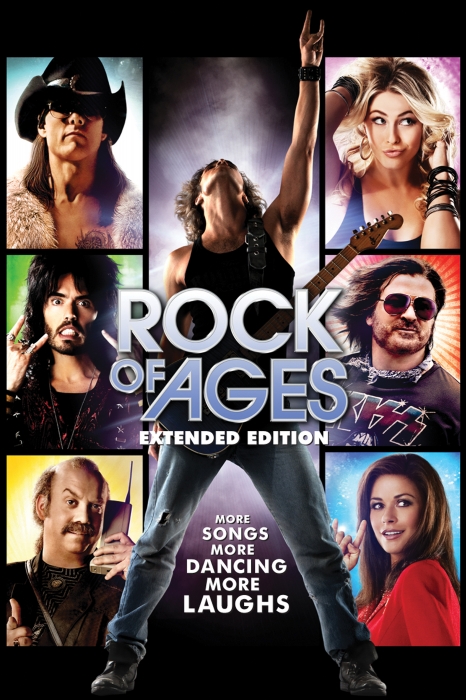
5) Rock Of Ages – You know how sometimes you can tell right away that a movie is going to be bad? There’s just something about the tone or the production or the directing or the acting (or all of the above) that isn’t synching right? That’s exactly how I felt watching Rock Of Ages, which follows a young girl on her way to Hollywood in a bus (which she sings about with her other passengers) then stumbles around a famous club when she finally gets there, then bumps into the famous owner and asks him for a job. It just felt…wrong. I have a lot of sympathy for musical productions because if you don’t nail the tone, they’re disasters that go far beyond typical movie disasters. And you could tell the director (who was it again?) wasn’t connecting with this material. It was overly cheesy, in-your-face and proud of itself before it had any reason to be. By minute ten I was actually starting to get angry. Like I wanted to beat the shit out of the characters. It was that bad. I may not have loved Les Miserables. But that movie knew what it wanted to be and it achieved what it set out to do. Rock of Ages misfired on every shot it took.
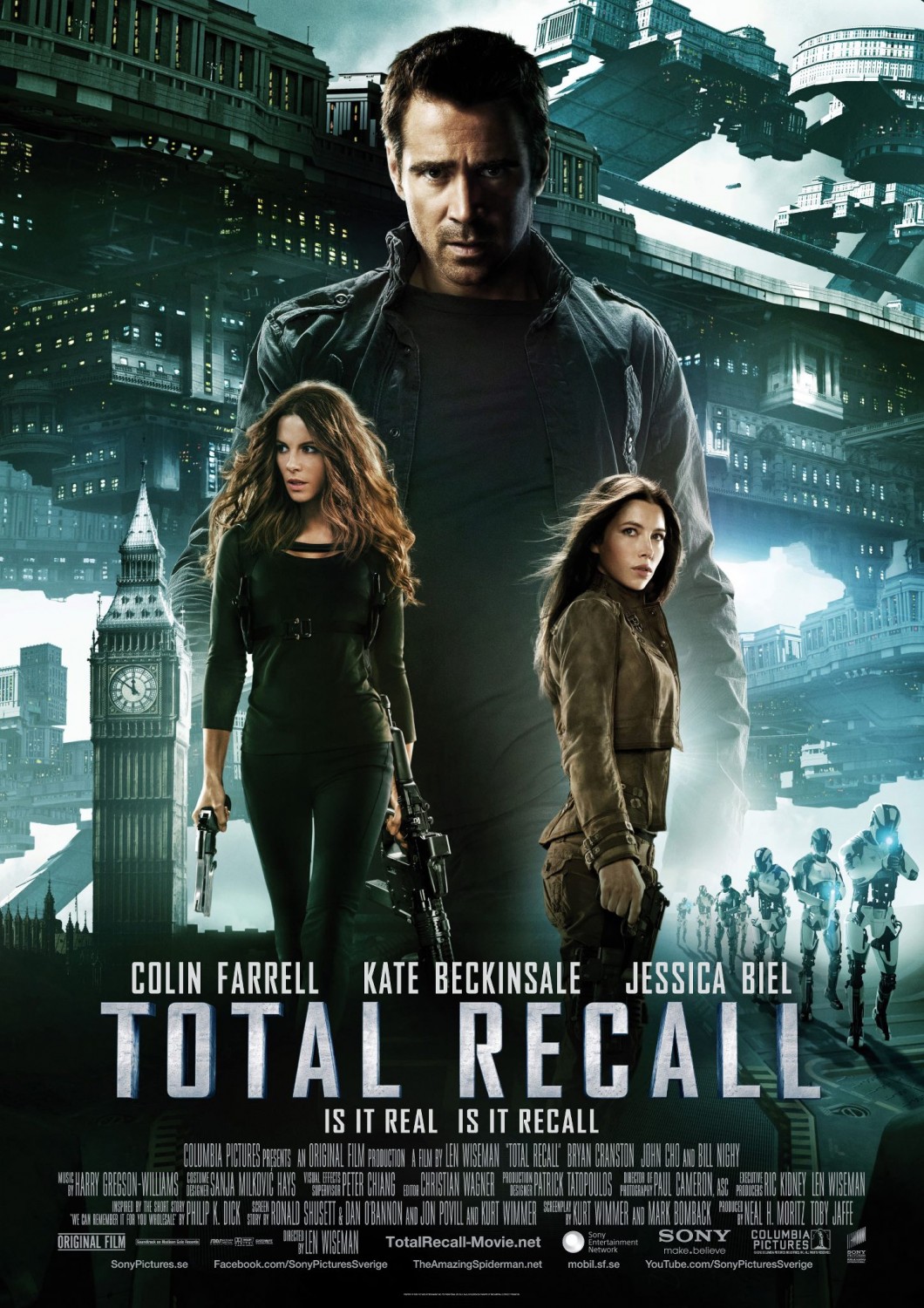
4) Total Recall – All I can say about this movie is that it was DOA. There was clearly nobody involved in this production who wanted to make this film. The writer didn’t seem interested in writing a good script (this script had the most boring intro you can imagine). The director didn’t seem interested in doing anything different (the evil soldiers were basically storm troopers – the set was a wannabe Blade Runner set). But worst of all, the actors didn’t want to be there. Colin Farrel was working at about 60%. Kate Beckinsdale was sleeping through her role. I dare you to watch the first ten minutes of this movie and be interested. It’s impossible. This movie is dead. It really is. It’s like watching something that has died on the side of the road.
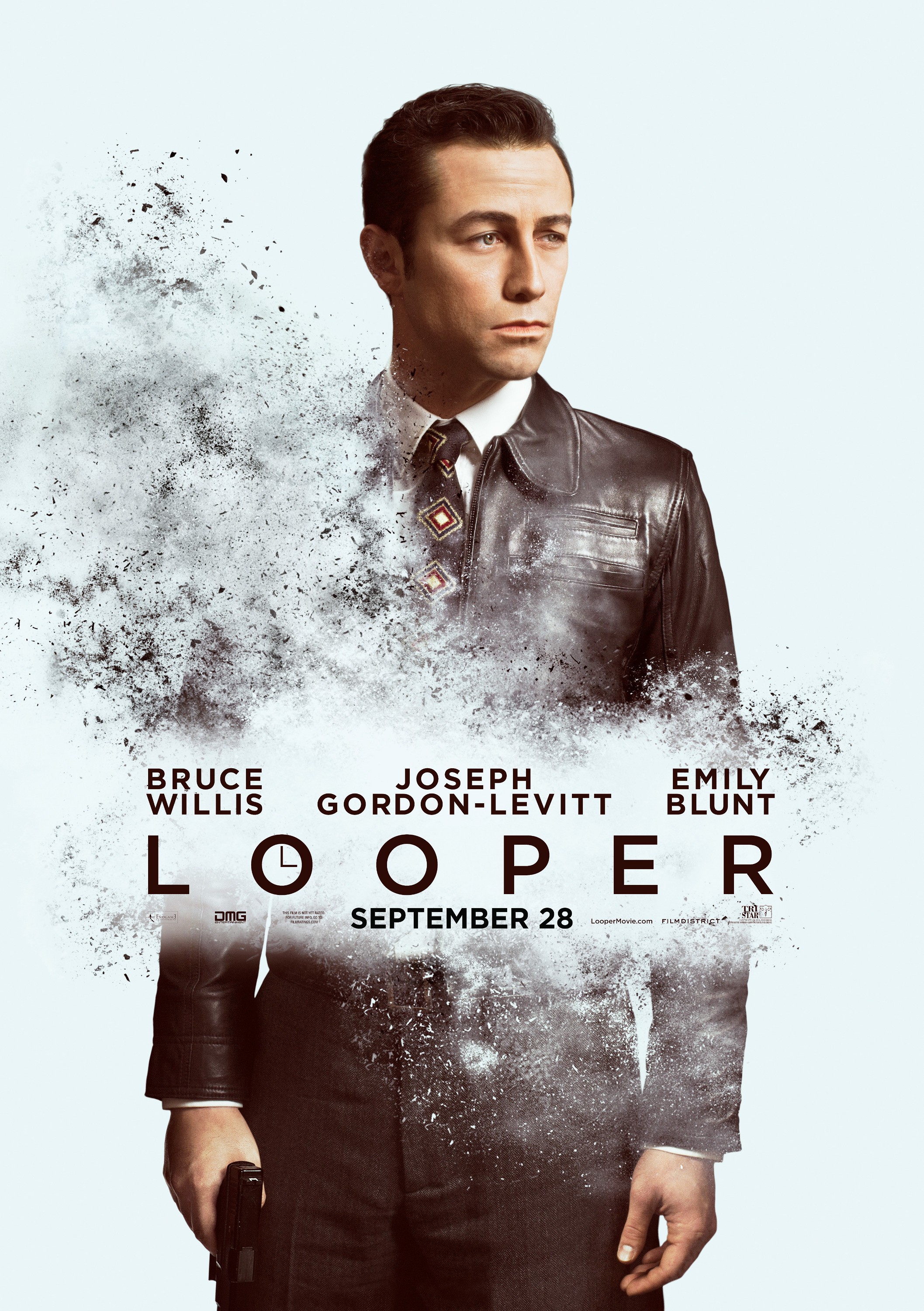
3) Looper – Okay okay. So maybe I was a little rough on this one in my review. I didn’t list a single good thing about it when there were a couple. The scene where the guy is slowly losing his body as he’s trying to run away was great. And really, the whole first act was solid. But after that, this movie completely falls apart, and it really is one of the most poorly told stories of the year. The China stuff was weird. Everything that happens at the farm house is boring. And the telekinesis plotline was forced in by the writer solely so he could shoot those gravity effects. There was nothing natural about its inclusion at all, which is what revved me up so much. What’s strange is I get all these hush-hush e-mails from people saying, “I went to see Looper, Carson. And you were right. I can’t believe how much love this film is getting. It’s terrible.” As if we’re living in 1936 Germany and the mention of Looper as a bad movie will get you executed or something. Rian Johnson is a well-loved geek-centric director so I understand it’s not trendy to dislike his movies. I get that. But you gotta call a spade a spade. This is 1/3 of a good movie. The rest is a mess.
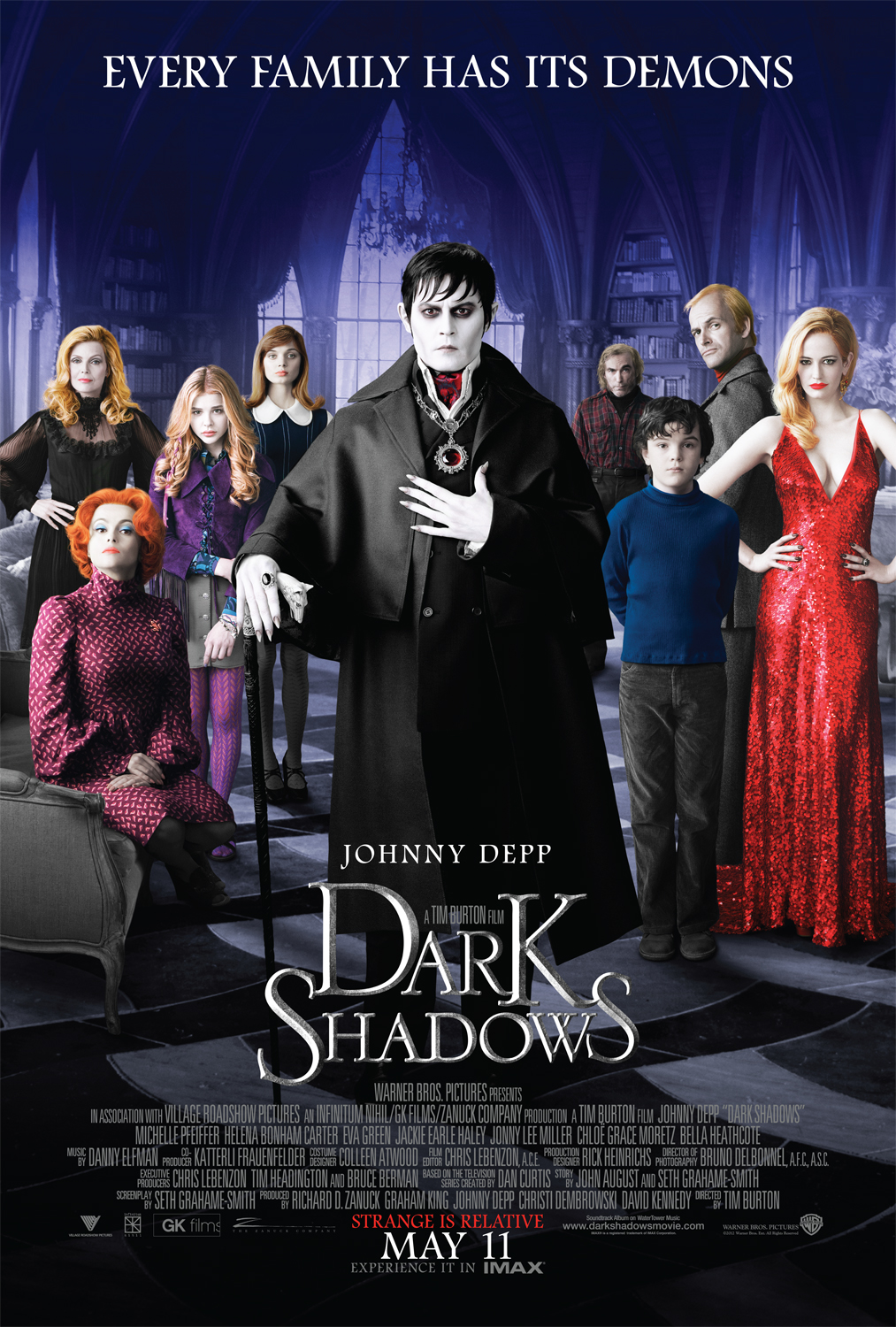
2) Dark Shadows – I was actually excited to see this one when it came out on video. The previews made it look funny. Johnny Depp as a fish-out-of-water ancient vampire unleashed upon a modern world? That’s comedy gold right there. But Holy sh*t! NOTHING HAPPENS IN THIS MOVIE. And I mean NOTHING. Johnny Depp wakes up, shows up at the house, then hangs out and does nothing for the next 90 minutes. There was no point to this story, no urgency, nothing for the characters to do. You know how you’ll be watching a movie and at a certain point you’ll sit up and declare out loud, whether there’s anyone around or not: “What the hell is this about????” That’s what happened to me. Thank God for Twitter, which allowed me to get some of my frustrations out on this one. One of the few movies of the year where I considered asking for my money back.
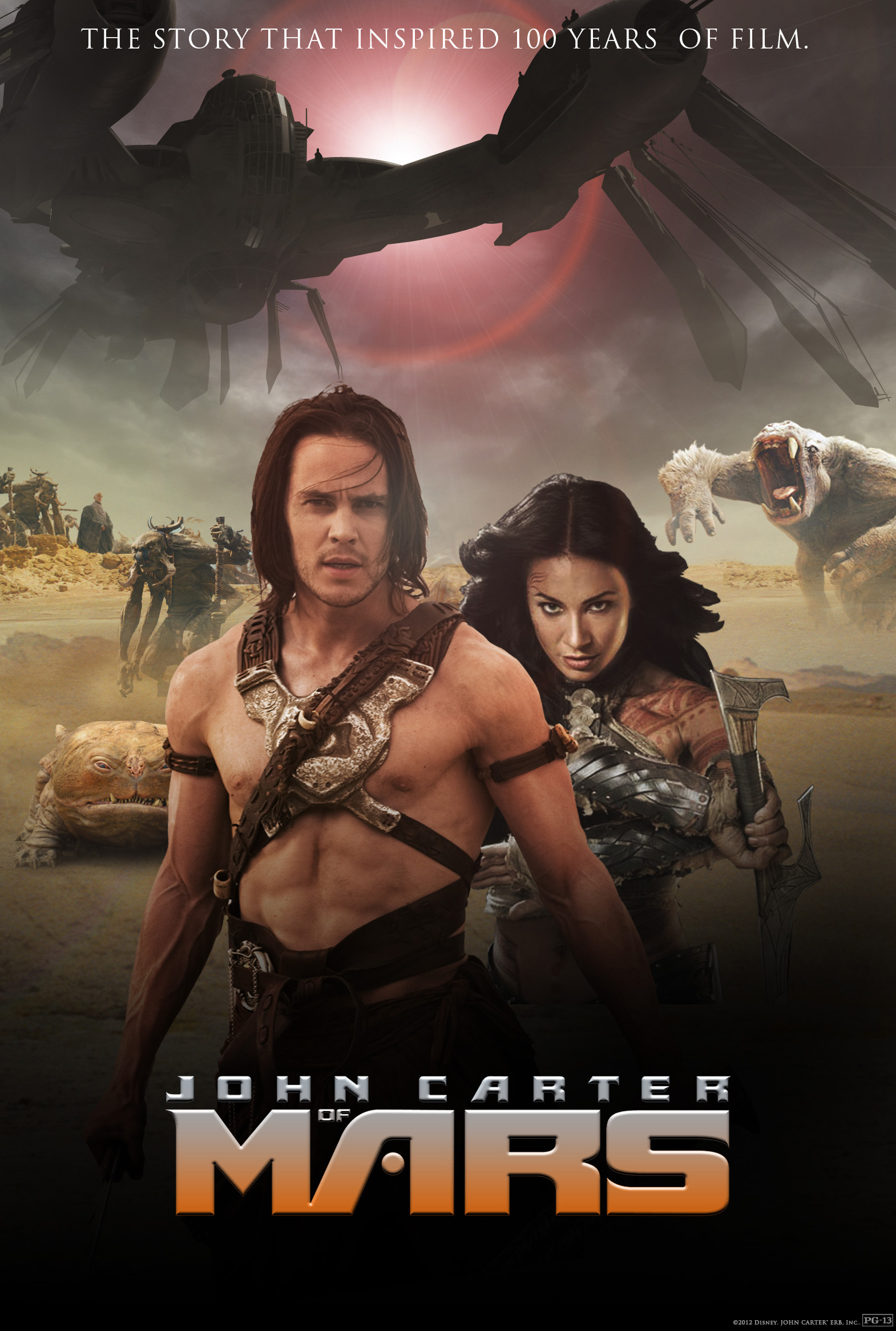
Tie-1) John Carter of Mars – I thought Cowboys Vs. Aliens was the most misguided concept of the last five years. Well move over CvsA. John Carter’s taking the poll position. Here’s what I don’t understand. This character was created in 1912, when, like, it wasn’t unheard of to think that aliens lived on Mars. But we live in 2012, when we definitively know there are no aliens on Mars. It’s just a big dry dusty rock. So how do you convince audiences that that’s not the case? I just don’t see anybody making that leap other than 6 year olds and people who loved the old novels. So it was such a misguided concept to begin with. But when John Carter started jumping? Like we established his power as “super-jumps,” I’m not going to lie, I started laughing. I mean how can I take a movie like that seriously? And then it just got worse from there. The designs of the ships didn’t seem to have any connection to the world itself. The mythology was bizarre and hard to wrap your head around. I didn’t like any of the characters. The aliens were most boring and annoying. This was an easy pick for biggest misfire of 2012. But it’s not the only pick!
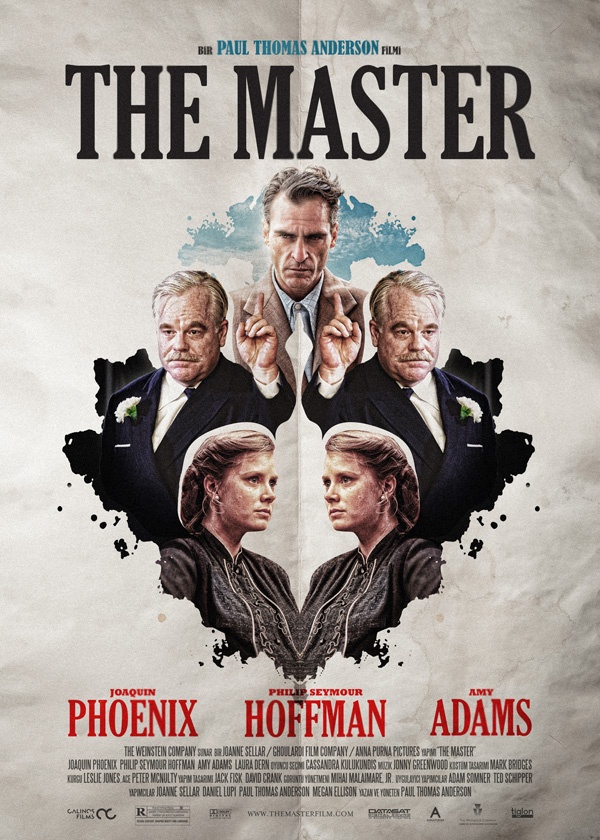
Tie-1) The Master – This movie was just freaking awful. It’s as if PTA was drunk when he wrote it and high when he shot it. You can tell me a PTA screenplay can’t be judged by conventional screenwriting methods until you’re blue in the face. It doesn’t give the writer license to make a boring wandering piece of crap. I mean at least “There Will Be Blood” had a design to it. You could feel it building. This was just a mess. It was a student film with a 20 million dollar budget. One of those Saturday afternoon deals with your classmates where you try a whole bunch of shit on camera and figure out how you’re going to edit it together later. You’ll never be able to convince me that PTA had a plan in place here. He was making this one up as he went along, and you could feel it in every minute of the movie. The only thing saving this one from a universal drubbing are the performances. But even those, while interesting, are inconsistent, especially Phoenix’s. If this would’ve been shown at midnight at some offbeat film festival and it was labeled as “experimental,” I wouldn’t have been so hard on it. But if you’re going to package this as a real movie, that’s how I’m going to judge it. And on that level, this was a monumental failure.
Whoa! I got a little revved up there, didn’t I! I fully expect retaliation for the “Master” and “Looper” choices, but after you’re done yelling at me , let me know what your least favorite movies of the year were. And for those who can’t stand movie-bashing, I’ll be listing my favorite movies of the year either Thursday or Friday. So re-join me then!