
Search Results for: F word
This may low-key be one of the best dialogue tips on the planet
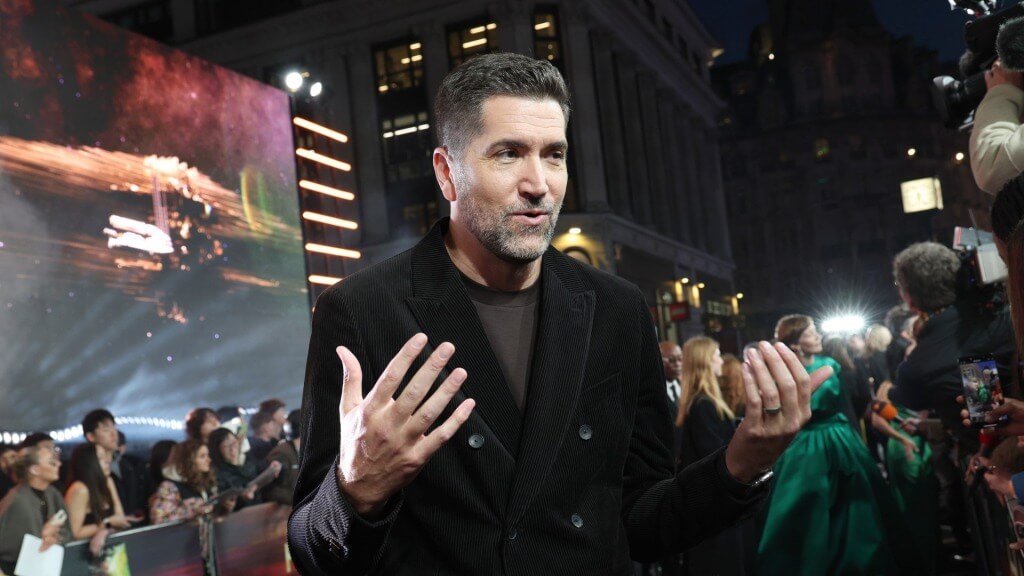
So, the other day, I was watching an interview with Drew Goddard for Project Hail Mary. I’ll be honest, I don’t read or watch a lot of screenwriter interviews these days. Mainly because I don’t learn anything new from them anymore. But this is one I wanted to check out because I think this guy is one of the best writers in Hollywood. He took two very hard books to adapt and made great movies out of them. And, if I’m being honest, after reading the book, I didn’t think this one was going to be very good. I thought the alien stuff had the potential to be a movie killer. Which is something I’m going to talk more about in this month’s newsletter. Stay tuned.
But getting back to Drew, he said something that struck me. He was asked how difficult writing dialogue was for this film and he immediately replied, “Dialogue is easy if you get the outline right.” Now, if I were a beginner screenwriter, I would hate that advice. Because outlining and dialogue don’t connect in any obvious way. But, having the benefit of hindsight of reading a million scripts and writing an entire book on dialogue, I can now tell you that this is one of the best pieces of advice for writing dialogue that you’ll find. And I want to break down why.
The first thing you need to understand is why we write an outline in the first place. Most people will tell you it’s a way to plan your story out. That’s obviously part of it. But the sneaky important reason you write an outline is to set up a story that always has FORWARD MOMENTUM. You’re making sure there is always an ENGINE underneath every sequence of your story. Because if you resolve a major thread early on in your script and you don’t replace it with a new engine, there’s nothing pushing your story forward. Which means your story will sit there, languishing, unclear where to go or what to do.
That’s what an outline should be doing. Making sure that each act has momentum. Making sure that you’re threading in plots and subplots that are always pushing things forward. How do you do this? The easiest way is to create characters with goals. A goal that spans the entire story, like Liam Neeson’s goal to save his daughter in Taken, is the easiest way to accomplish this. But not all stories are like this.
So if goals fade, you need to replace them with new goals. Or you need to switch the focus onto another character who has a goal. At first, in Star Wars, Luke Skywalker has no goal other than to get off his farm one day. So what’s the engine driving that section of the story? It’s Darth Vader trying to find those droids to retrieve the Death Star plans. Only once Luke’s parents are killed does he now have a goal – to help Obi-Wan deliver the Death Star plans to the Rebels.
You can, of course, have multiple characters pursuing multiple goals, which is the best case scenario, because it supercharges your story engine. But as long as at least one major character has a goal, and that goal has some level of importance behind it, it will be enough to keep the engine revving and keep the story moving along.
So, how does this relate to dialogue? Well, if you have a strong outline, and you’ve used that outline to make sure that there’s a strong engine underneath each part of your story, then we get to the real nitty-gritty of how this all works. Creating engines for pieces of your story ensures that each individual scene is moving the story forward. More specifically, the characters in the scenes want something (their “goal”). That want, that desire to get something (often from the other person) is what creates good dialogue.
Why is this? Well, one of the elements of strong dialogue is that, when a character speaks, he’s speaking because he wants something. That want is what gives his speech direction. Now the scene has a point. Main Character wants something. Will he get it or not? In that scene, because the character is speaking to achieve something, every line of dialogue will have purpose. And then, when he either succeeds or fails at achieving the goal, the scene is over.
When Goddard says that poor outlines result in poor dialogue, what he’s saying is that the opposite chain of command occurs. The outline is thin. There are parts of it where you don’t yet know what’s going to happen. This creates large gaps in the story where no clear engine is pushing the story forward. When you try to write a scene inside one of those gaps, characters often don’t have clear goals. Or if they do have goals, they’re weak. When you try to write dialogue inside a scene like that, it becomes infinitely harder.
Think about it. What does a character say if they don’t want anything?
In fact, if you’ve ever had that scene in your script where you’re constantly trying to rewrite the dialogue because it never quite feels right, there’s a good chance that that section of the script is weak, which is creating a lack of a story engine, which is weakening the goals inside the individual scenes, and if you try and place two characters speaking inside one of those scenes, you’re basically guiding lambs to the slaughter. Why are these characters speaking if they don’t have anything to say?
What then often happens, is you start trying to jestermaxx your dialogue. You try to make the jokes funnier. You try to liven up the observations and hot takes, pushing with everything you’ve got to make the conversation entertaining. Sometimes you even come up with some really clever stuff. But deep down you know the truth, which is that your characters are just babbling at each other. And when people read that scene, they’re not praising your dialogue for being clever. They’re bored out of their mind because nothing’s actually being said. That’s the dirty secret of dialogue. Nobody cares unless you’ve written an entertaining story where people need to say things to move storylines forward. And if your outline isn’t in place to make sure that that’s always happening, no amount of clever dialogue is going to save your script.
How does this look in practice? Let’s say you’re writing a scene about a young man meeting up with his father. The two don’t have the best relationship. They haven’t seen in each other in a while. The young man is struggling in life. He and his girlfriend are close to getting kicked out of their apartment. So he’s called this meeting with the intention of asking his dad for money.
It’s easy to write good dialogue for this scene. Why? Because the young man has a clear goal and the goal is important.
How would you write this scene? Well, the son knows he can’t come right out with, “I need money.” He’s got to at least pretend he cares about his father’s life a little. So he might ask his father what’s going on right now. Maybe ask about mom. Ask about work. The ultimate goal of getting money from the dad is buying time in the scene. The subtext is strong since we know he’s only saying all this other stuff to make the money ask feel more organic. That’s the ideal situation for a scene. Clear directive. Resistance from somewhere that creates doubt. You can write a million different variations of that scene and most of them will work.
Now let’s change the setup a bit. Let’s just say it’s a 22 year old young man meeting up with his father after they haven’t seen each other in a while. The son doesn’t want anything. The dad doesn’t either. It’s just them reconnecting after a long time.
I want you to imagine writing that scene. Notice how much more difficult the plan for the scene becomes. Where do you even start? You can start with, “Hi,” then awkward silence. Yeah, there’s something here because of the scarred relationship. But without establishing what each character wants, chances are you’re going to have these two mumbling at each other for two and a half pages and call it a scene. You’ll justify it by saying it’s “true to real life” but readers don’t care about that shit. They care about being entertained. And a vague meeting scene between father and son without any real direction is not entertaining.
I want to make something really clear here. Because when most screenwriters think of dialogue, they think of flash. They think of trying to make the dialogue as interesting as possible. In reality, though, what the reader really cares about is being pulled into the emotion of the scene. They want to wonder what’s going to happen next. And so “great lines of dialogue” are not what’s going to win them over. What’s going to win them over is: This character wants something important and, therefore, I want to see if they get it.
As long as you have that, your dialogue can be pretty barebones and readers will still be pulled into your scene.
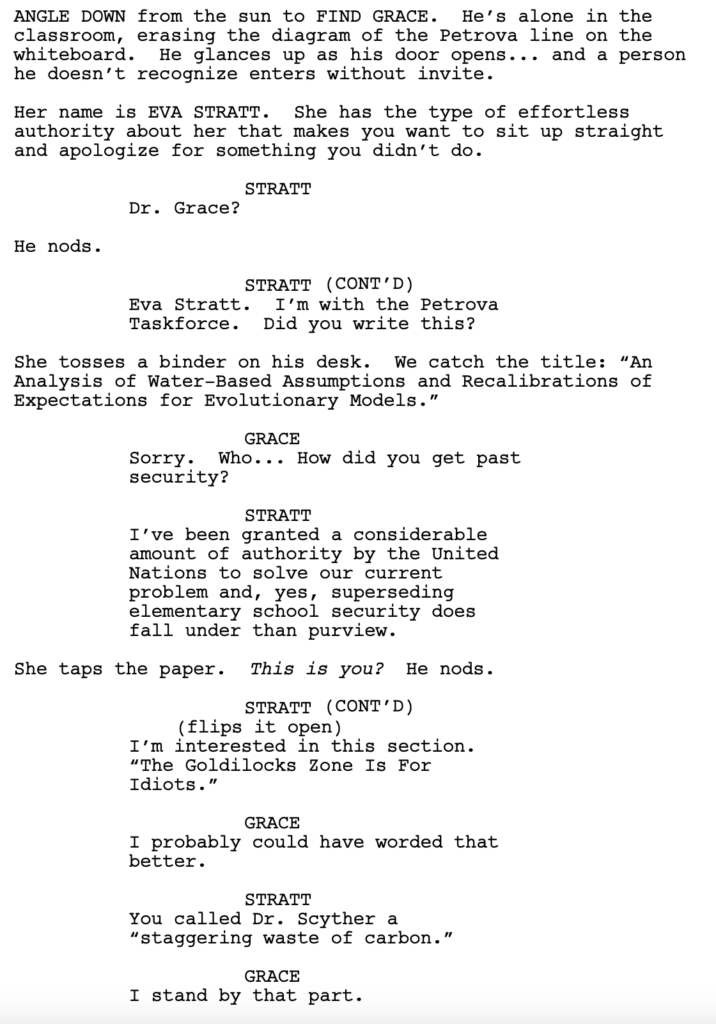
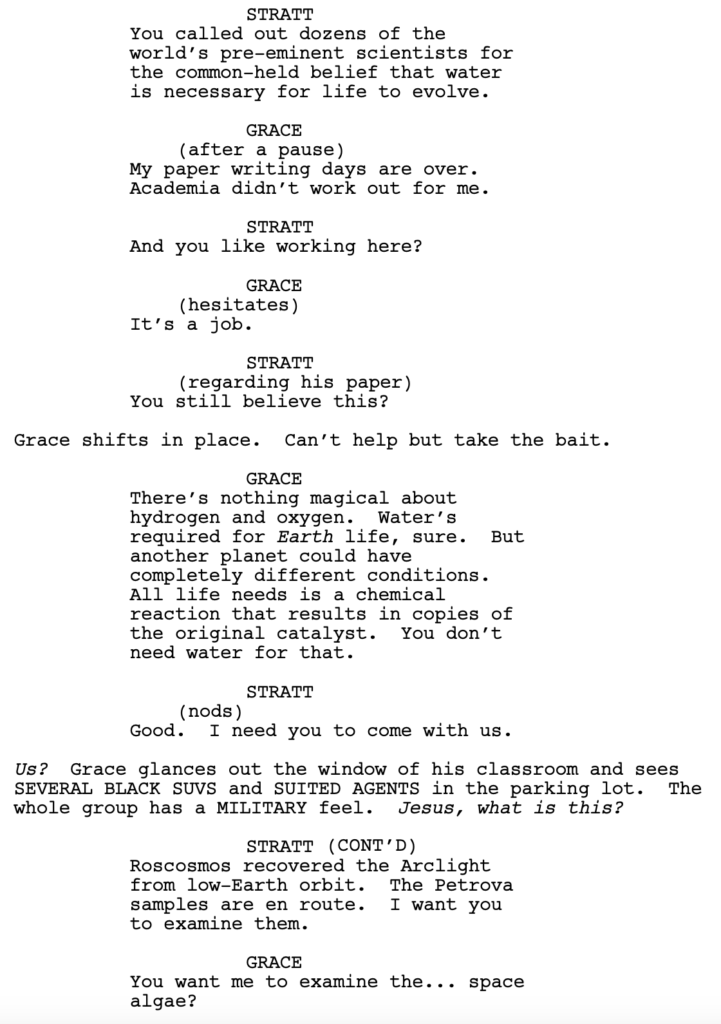
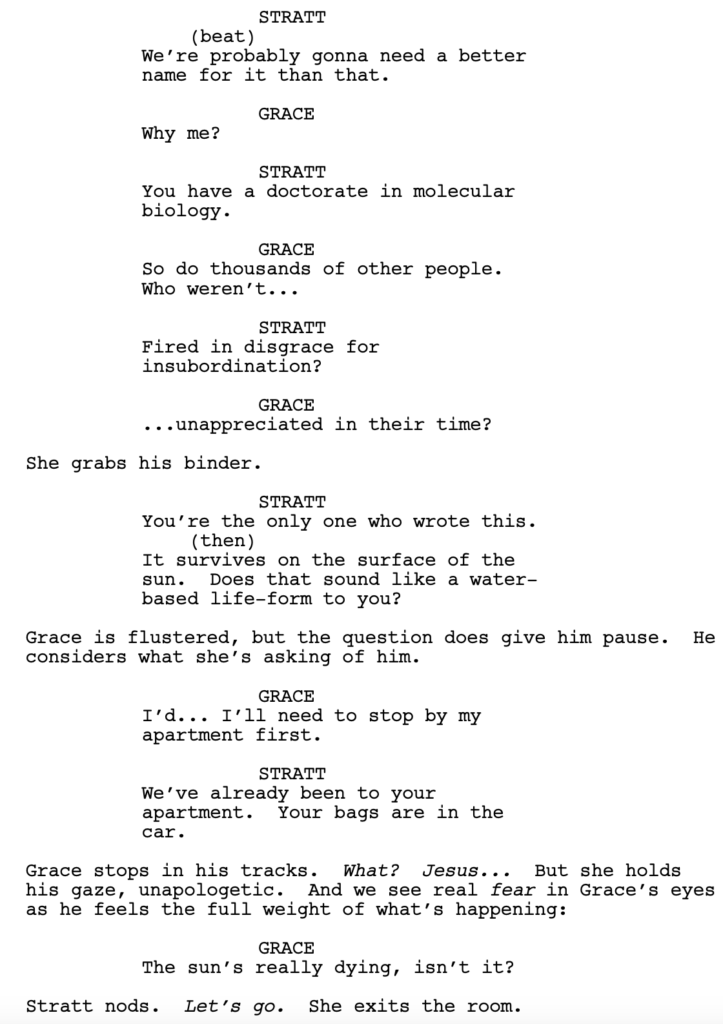
Again, this all goes back to the outline. Make sure that every section in that outline, that takes you from page 1 to page 100, from Act 1 to Act 3, from Sequence 1 to Sequence 8, all of it needs at least one primary character with a strong goal. That will ensure that each section has a powerful engine running beneath it. And every scene you write within that section will have a character with a goal in it, which’ll make your dialogue write itself. I’ll leave you with a very simple example of this from Project Hail Mary. This is where government worker Eva first shows up to Grace’s work to recruit him. She has the goal. The goal drives the dialogue. Happy weekend!
What is the gangbusters screenwriting lesson within Project Hail Mary that nobody’s talking about?

Project Hail Mary dropped just 23% in its third weekend. Is this amazing hold because of Ryan Gosling? Yes. Is it because of a stellar marketing campaign? Yes. But when a movie holds this well, there’s one reason that rises above all others – THE SCRIPT.
Only awesome stories have 23% drops. Because awesome stories hit audiences more powerfully. Which means audiences come back from this film and tell other people about it, who then go see it themselves. It is the oldest and most effective form of marketing there is.
Now, there are many reasons why this screenplay is great. I’ve gone over some of them on the site. But I want to tell you a secret screenwriting reason this movie is killing at the box office that nobody’s talking about. It’s a reason that Hollywood keeps forgetting. But it’s been around forever and a day.
Here are some of the movies that should cue you in on the tip…
Step-Brothers
Bridesmaids
Swingers
Back to the Future
Good Will Hunting
Midnight Cowboy
Know what it is?
Okay, let’s put up the final movie that represents this tip, what some say is the greatest movie of all time.
The Shawshank Redemption.
Now do you know what the tip is?
It’s FRIENDSHIP.
Actually, it’s more specific than that. It’s a love story told through the lens of friendship. A platonic love story. Audiences absolutely love this simple formula. Two people fighting against the world to achieve what they need to achieve.
And Project Hail Mary falls into that category perfectly. It’s a love story told through the lens of friendship between Grace and Rocky.
Here’s how to make this formula work. You imply that the friendship has to end at some point. Just like a love story. You have to tell us that the lovers may not get together at the end.
I was just watching Back to the Future the other day again. Doc and Marty’s future is threatened by the fact that Doc is dead in the future. So, the very act of succeeding results in a friendship dying. That’s what makes these narratives so special.
And it’s the same thing here in Project Hail Mary. Grace and Rocky are trying to save the galaxy together but by doing so, they will never see each other again. That creates this looming feeling of worry and sadness in the audience, that makes things all the more amazing when the two end up together at the end.
So, why aren’t there more movies about friendship? We’ve established it’s a powerful blueprint to create an exceptional film. Well, until recently, Hollywood always thought you needed the female love interest to make a movie work. So, that was the relationship that always took precedence.
That’s why, when you saw The Shawshank Redemption back when it came out, it felt so different. There was no love interest.
But anyway, building a story around friendship can be dramatically powerful. And if you can couple it with a high concept like Project Hail Mary did, well then watch out, because you can take that movie to the box office stars.
Not all the entertainment news out there is as peachy as Ryan Gosling’s hair, unfortunately. There’s a really bad show that just debuted this week. It’s called The Miniature Wife. Now, you may say, “Uhhhh, Carson? Why would you think that show would be anything other than terrible?”
I assumed it was probably bad, yes. But I love Matthew McFaddyen! And I like Elizabeth Banks. Also, I really want someone to make the movie, “Kitten,” (scroll down in link for review) from a script I reviewed a few months ago. And I was wondering if this show would, in any way, negate that project.
That answer came pretty quickly: DEFINITELY NOT.
Cause this show is terrible.
I mean ACHINGLY terrible.
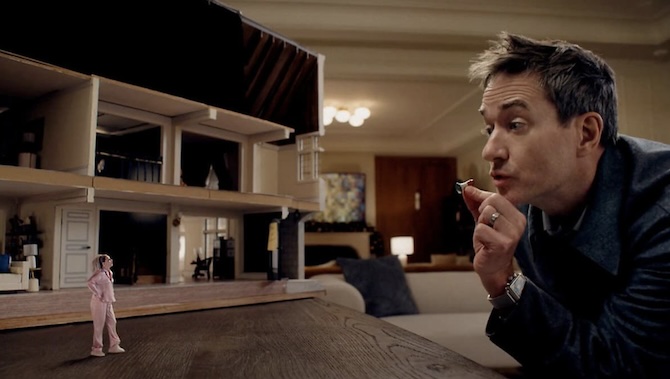
But here’s the good news. Failures like this can teach writers something and this show actually has a powerful lesson you can learn from the poor writing on display.
It’s something I call “SETUP BLOAT.”
I’m highly aware of Setup Bloat at the moment because I’ve consulted on several scripts recently, all of which had setup bloat in them. And setup bloat is a uniquely evil issue in that it kills your script immediately. Because it’s happening during the setup. And the setup is where readers decide, quickly, whether they’re in or out. If you have Setup Bloat, the reader will not make it through your first act.
So, what is Setup Bloat?
It consists of two things.
One: THERE’S WAY TOO MUCH GOING IN YOUR STORY
Two: THE EXPOSITION REQUIRED TO INTRODUCE ALL OF THOSE PLOT ELEMENTS
Exposition will always be required in your first act. You need to set up your story. Which means you need to write exposition. But here’s the thing about exposition in your setup: The reader only allows for you to provide so much exposition before they tap out. (if you want to learn how to effortlessly add exposition, my dialogue book has an entire chapter dedicated to it)
I think you know where this is going. If you don’t have a ton of plot to set up, then you won’t have to write that much exposition.
However, if you have a super complex plot with a ton of moving parts, then the majority of your first act is going to be exposition. Every moment is going to be you introducing information that the reader needs in order to understand the story. That’s Setup Bloat: When your first act is so over-stuffed with exposition that very little entertainment is allowed to breathe through.
Which is exactly what happens in The Miniature Wife. First we set up the unnecessarily complex situation that two people who are already married are deciding to stay married. Then we set up the husband’s miniaturization invention. Then we set up the complex funding requirements for this invention. Then we set up the wife breaking up with her secret boyfriend. But not a boyfriend she physically cheated on her husband with. This was just an emotional affair. We also set up that she used to be a famous author but hasn’t had a best seller in 15 years. Then we set up that her emotional affair boyfriend secretly pretended to be her agent and submitted a short story she wrote without her knowledge to the New Yorker. But what he didn’t know was that she stole that short story from one of her university students. Stole it to secretly keep on her hard drive in order to pretend to herself that it was hers. So now she has to go to that student and convince her to leave the country for six months, isolate, all so that she’ll have no idea that she, the wife, stole her short story when it gets published in the New Yorker.
And that’s just some of the setup!!!!!!
Do you see, now, how Setup Bloat can destroy a script before it even gets going? I don’t think William Goldman in his prime would’ve been able to manage that level of setup in a first act.
To be clear, part of what makes a good screenwriter a good screenwriter is making exposition invisible. It’s finding ways to make scenes entertaining on their own, before covertly slipping the necessary exposition into them. But if you don’t know how to do that, you end up with setups like The Miniature Wife, where it’s not only all exposition, but it’s clunky obvious exposition. It’s clunky setup scene after clunky setup scene.
How do we avoid this? Don’t write a billion threads into your plot. Or, if you do have a lot of plot, space it out. Especially if you’re writing a TV show. You have so much more time to delve into your plotlines in TV writing. You don’t have to stuff all of them into the world’s biggest trash bag and dump it on your reader in the first act of the first episode.
I’m kinda disappointed. I wanted a cool Matthew McFaddyen TV show to watch. But if there’s a silver lining to this, it’s that he’ll be able to look for another job right away after this one gets canceled next week.
I hate when Hollywood promotes terrible films. And today, I’m speaking my truth!

I’m tempted to spend the next 1500 words unloading on the atrocity of a movie that was The Secret Agent. Let me explain why. People were trying to tell me this movie was good. People were hyping this movie up. But all I needed to do was see the poster, see 10 seconds of the trailer, and I was willing to bet my life that this movie would be terrible.
You know how I knew that? Because I’ve seen this song and dance for decades now. An indie distributor picks up a movie specific to another country where the production value is competent enough that you can distribute it in the US and not get laughed at. They then rev their spin machine up, throw out words like, “masterpiece,” “brilliant,” and “auteur director,” and I’m pretty sure the trades are co-opted into this wool-over-the-eyes tomfoolery, resulting in high RT scores, convincing everyone under the sun that this movie is amazing.
What’s The Secret Agent about?
I DON’T KNOW!
I watched 50 minutes of it and I STILL DON’T KNOW WHAT THE MOVIE IS ABOUT.
“You can’t judge a movie if you’ve only seen 50 minutes of it, Carson.”
YES YOU CAN.
IF THE AUDIENCE DOESN’T KNOW WHAT A MOVIE IS ABOUT AFTER 50 MINUTES, THAT MOVIE SUCKS.
One of the truest screenwriting rules there is: SET UP WHAT YOUR MOVIE IS ABOUT AS SOON AS POSSIBLE.
This is such basic screenwriting advice, it’s on the verge of no longer needing to be taught. Cause people just know. Duh, tell the audience what your movie is about.
The Secret Agent starts off with a decent scene. It’s 1970s Brazil and a man is getting his car filled up at a gas station in the middle of nowhere. There’s a dead body covered up with cardboard off to the side. The gas station attendant says the man was a thief who tried to rob the place a few days ago so they shot him and the police haven’t come to pick up the body yet.
Then a cop car shows up and very methodically inspects our hero’s car. The scene is tense. It’s suspenseful. I thought, “Maybe I’ll be wrong about this movie. Maybe it will be good.”
Nope. It’s all downhill from here.
We then follow this random dude, our main character, driving this car across Brazil. He shows up at some random collection of apartments and starts staying there. Why? No idea. It takes the writer 20 minutes to, literally, set up arriving at an apartment.
Oh, you know what comes with the apartment? A cat with two heads. I’m not kidding. This is a serious movie by the way. It wants to be taken very very very seriously.
Cat with two heads though! Gotta throw that cat with two heads in there.
Why?
Because that’s the kind of random bullshit hack screenwriters think is good writing. Throw in random nonsense that does nothing for the story.
By the way, quick screenwriting tip. This is the easiest way to judge a creative choice as a screenwriter: Does it do anything for the story? This did nothing. That’s how you know it’s a garbage choice.
Then our hero goes and retrieves his son, who he hasn’t seen in a long time. It’s not explained who’s taking care of his son. Maybe it’s our hero’s parents? This screenwriter has no interest in helping us understand even the basic beats of what’s going on in this story.
Seeing his son again is treated like a really heavy deal.
BUT NOBODY TELLS US WHY!!!
God forbid the writer, Hacky McHackems The Screenwriting Wonderboy, share information that might help us enjoy the story.
Randomly, we cut to another plot about a shark with a human leg in it. No, I’m not kidding. It’s a shark story now. Then we come back and hang with our hero as he lounges around at his apartment complex, carelessly stripping away minutes that could be used for, you know, SETTING UP AN ACTUAL STORY.
Oddly, his son isn’t with him anymore. It’s never explained why. We literally just had this super intense scene where he comes and gets his long lost son back. But now he’s banging some chick up in Apartment 2C and I guess Little Johnny doesn’t matter anymore.
We’re getting to about the 45 minute mark of the movie and NOTHING HAS HAPPENED! Just complete randomness with no character goals set up or overarching story set up. Atrocious screenwriting on full display.
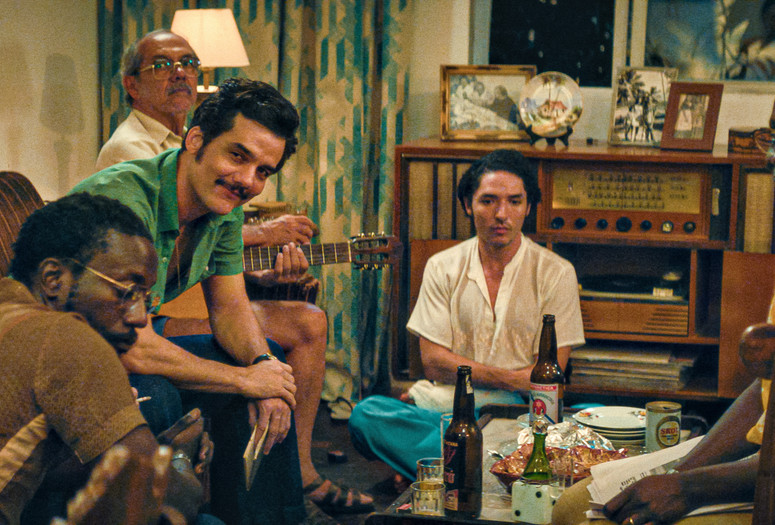
Then, without any context, we cut to our hero…. WHO NOW WORKS AT A NEWSPAPER! How did this happen? Nobody tells us. Actually, it’s worse than that. We just see him at some work and are expected to know he’s a journalist now and this is a newspaper.
You don’t move a character to a brand new location in life and then just cut to him working. You have to SHOW HIM GET THE JOB, lol. There has to be a progression so that we understand a) what kind of job he wants, b) why does he want that job, c) what are his options, d) how difficult is it to get the job? e) show a freaking interview and the aftermath so we can build suspense around whether he gets the job or not. You know, basic drama.
This just cuts to him working. I didn’t even know this guy was a writer until 50 minutes into the film!
You’re probably wondering, at this point, why I’m so angry.
Here’s why.
Because I spend my life trying to teach people how to be good writers. It consumes most of the minutes in my day.
So when Hollywood unleashes this trash on us and brainwashes young ignorant writers into believing that this is good storytelling, it pisses me off. Because now you have young writers believing that randomly introducing cats with two heads into an extremely serious drama is great writing. And that writer is going to go off and write a bunch of garbage and be confused why nobody likes his screenplays. And he’ll give up because nobody ever taught him the correct way to write.
With that in mind, let’s try and use this failure of a film for good. Let’s at least learn a lesson here. So, here’s the big lesson I want you to take away from this film.
SET UP WHAT YOUR STORY IS ABOUT AS SOON AS POSSIBLE
The more “Hollywood” a film is (by that I mean: a film made by a major studio) the earlier that setup should be. This means that if you’re writing a spec script, you want it to be very clear what your movie is about as soon as possible. This doesn’t mean you have to state the exact plot. But we should have a very good idea of what the movie is about within ten minutes.
We know we’re going to have people on an island full of dinosaurs in Jurassic Park within ten minutes.
You have more leeway with setup time in an indie-type script. But you’d be surprised at how quickly you’ve known what your favorite indie movies were about when you first watched them. It was likely within 15 minutes. And, at the very latest, it would’ve been 25 minutes in, by the end of the first act.
That’s because if you push the setup of your movie past the first act, it’s the equivalent of a drunk guy telling you a story at a party and they never get to the point. They’re telling you about all these little things (a shark with a leg in it, a cat with two heads, and then I was at this gas station and there was this dead body in front of my car covered up by cardboard) but you don’t know what it is they’re trying to say. This movie, The Secret Agent, is the cinematic equivalent of the drunk babbling party guy.
Now for those of you who will inevitably tell me that if I just kept watching, I would’ve gotten to the “good part.” Try telling a producer that the next time you don’t reveal the point of your story until page 50. “Well, Mr. Producer, if you just would’ve kept reading, you would’ve gotten to the good part!”
Yeah, tell me how that goes. Cause I don’t think it’s going to go like this: “Ohhhhhhh! You mean the good part came after the first hour!!?? Why didn’t tell me! If I would’ve known that, I would’ve kept reading!”
My final message to use is this: Don’t let Hollywood brainwash you. They try to tell you that every movie is great. They’re lying the majority of the time. And it’s up to you to use your own discernment to evaluate these movies. Don’t listen to other people. Pay attention to how the story is affecting you. Pay attention to if it’s propulsive or if it’s wandering. Pay attention to how the main character makes you feel and if you care about their journey. If it’s providing good feelings in those areas, it’s a good movie. If not, it’s probably bad, like The Secret Agent.

BLOOD & INK DEADLINE HAS BEEN EXTENDED ONE MONTH!!!
Very important news for all you Blood & Ink Contest writers. I knew a lot of you would take that script right up to the last second, changing scenes, adding subplots, erasing characters, all with just days to go. When you do that, your script is usually bad. So, now you have an extra month to smooth all those last second changes out. If you’ve already sent me your draft, you have the option of sending in a newer draft by the new deadline date. So, here we are…
I need: Your Blood & Ink screenplay
When: Sunday April 5th Now Tuesday May 5th (Cinco De Mayo!!!)
E-mail me at: carsonreeves3@gmail.com
Include: Title, Genre, Logline, and a PDF of the screenplay
Subject Line Should Read: Blood & Ink Final Entry
Now on to our regularly scheduled programming.
I’m so insanely thrilled to see Project Hail Mary doing well. It’s important that when Hollywood makes a movie the right way and it’s good, that it be celebrated. Because as many mistakes as Hollywood makes, the one thing you can count on them to do is emulate their successes. So, with this movie doing so well, a lot of people in the industry are studying why that is and hopefully learning a few lessons.
I have a theory that’s a little ‘out there’ about how Project Hail Mary was able to separate itself, quality-wise, from, literally, the last 500 movies the studios have released. The theory? Hollywood has learned how to game the Rotten Tomatoes system.
Here’s what I mean by that. Hollywood knows that they just have to get an 80% RT score to give themselves a shot at the box office. They also know that to get a positive critic score from any one reviewer, you just have to make something that they like more than they dislike. So, a C+ movie. If you get 80% of critics giving you a C+, that’s still an 80% RT score.
So they’ve basically learned how to make the perfect C+ movie. Likable hero. A certain number of set pieces. A story that has some energy behind it.
The problem with that is, the formula taps out at C+. If you want to make an A+ movie, you have to put a lot more work into the script (be willing to try something risky, fail, and start over, be willing to write more drafts to strengthen weaknesses, etc). You gotta take some chances. You have to be willing to risk being terrible to be great. I mean, if they would’ve botched the Rocky character – which was, by no means, a slam dunk – this movie would’ve fallen apart.
I believe that the reason Project Hail Mary was awesome was that, unlike all the other movies in Hollywood right now, the creators weren’t interested in an RT proof C+ movie. They wanted to make a great movie.
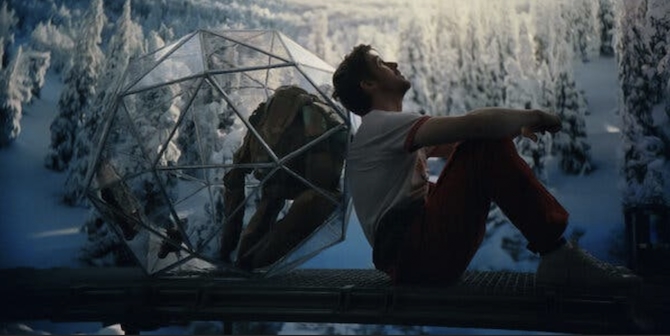
You know how I know this movie’s doing well? This week, half a dozen random people I talked to brought up Project Hail Mary. “Hey, have you seen Project Hail Mary? What’d you think?” In this day and age, that’s shocking. Cause movies are no longer at the top of the pop culture food chain. Yet something about this film is breaking through. And now that we see its amazing hold through its second weekend, we know that it’s officially that word-of-mouth hit.
Speaking of good movies, a couple of weeks ago, I reviewed the unmade screenplay for Commando 2. Arnold Schwarzenegger is coming back to some of his older franchises so reviewing it felt right. I thought it was an odd screenplay but a good one. And it got me thinking about the original film and how much I loved it. I hadn’t seen it in 30+ years so when the thought of revisiting it came up, I figured the older more sophisticated version of myself today would think it sucked. And my positive memory of the film would be ruined forever.
But curiosity got the best of me and I finally rented it.
I can now say that THAT MOVIE IS EFFING AWESOME.
It’s awesome.
It really is.
And what shocked me the most was the screenwriting. They wrote scripts different back then, specifically action scripts. I don’t know what the hell they’re doing with action scripts these days but these modern-day action writers would be doing themselves a big favor to go back to movies like Commando to reacquaint themselves with the basics.
One screenwriting tip stood out more than any other for this movie and I would argue it’s the second biggest reason (behind Arnold of course) this movie was so awesome.
What’s the tip?
SAY ‘NO’ TO YOUR HERO AS MUCH AS POSSIBLE
It took me 15 years in the screenwriting world to learn this lesson. But it’s a powerful one. The word “yes” is your enemy as a screenwriter. The word “no” is your biggest ally. Every time someone says ‘yes’ to your hero, you make things easy for them. Every time someone says ‘no’ to your hero, you make them have to work harder.
Let’s say that we’re following a “Superbad” group of teens. There’s a huge party tonight where the hero’s dream girl is going to be and they’ve been told that, to get in, they have to bring a case of beer. So they come up with a plan, go through the elaborate process of securing a fake ID, head to the liquor store, the oldest one goes in to buy the case, puts the beer on the counter, and takes out the cash to pay for it.
As the writer, you now have a choice. The checker can either accept the money and let him buy the beer or he can say, “No.” If he says yes, the plot moves steadily along and you can get them closer to the party.
But if he says “no,” things get WAY MORE INTERESTING. “No, sorry. You’re not old enough,” and he snatches the fake ID away. “Now, get out of here.” Well, now what does the group do? More importantly, what do we feel as the reader? We’re thrown into disarray. We’re unsettled. How the hell are they going to get into the party now??? That uncertainty is like crack to a reader and has them way more engaged than if the checker simply allowed him to buy the beer.
The reason Commando is so awesome is because the entire screenplay is one “No” after another.
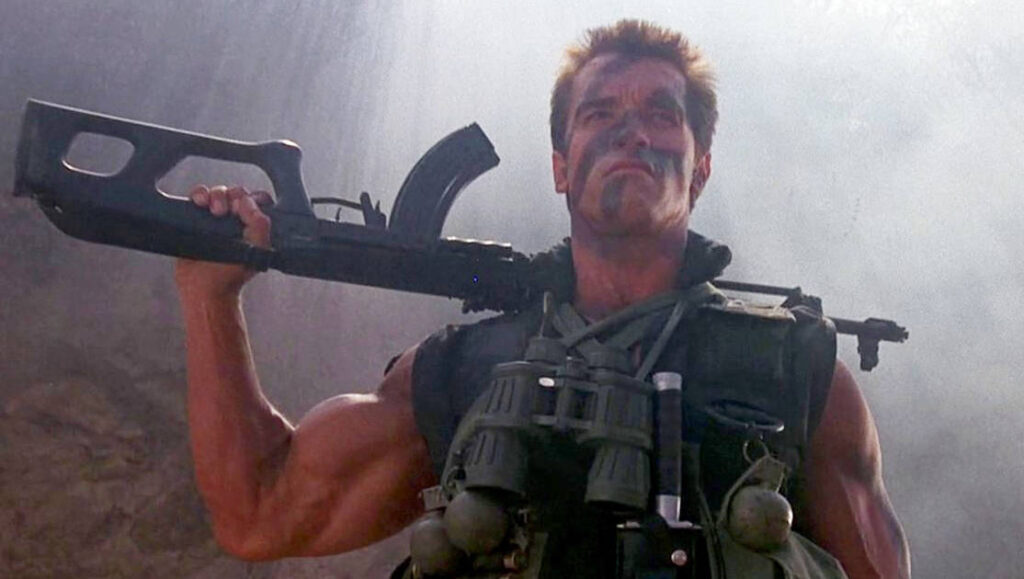
The plot of the movie is actually more clever than I remembered. Bad guys kidnap former special ops commander John Matrix’s (Arnold’s) daughter. They tell him that they’ll kill her unless he goes to this South American country and assassinates a president there that they need dead.
They put Matrix on this commercial flight with one of their guys accompanying him but Matrix, in an amazing scene that still holds up today, has Matrix killing the bad guy, then escaping from the plane, jumping out at the last second. Matrix knows that the second that plane lands in South America, it will be relayed to the bad guys that Matrix isn’t there and they will kill his daughter. The plane lands in 11 hours so that’s how much time Matrix has to find and save his daughter.
GSU before GSU was en vogue!
Matrix forces his way into an off-duty flight attendant’s (Cindy) car and she ends up staying with him during this whole revenge plan.
There’s a great example of “The No Rule” in the scene following Matrix’s escape from the plane. Matrix kidnaps Cindy and her car, and they secretly follow another bad guy, Sully, who’d been tasked with making sure Matrix left on the plane. Cindy is kicking and screaming the whole time, with Matrix trying to calm her down.
They follow Sully to a mall, where he’s meeting someone, and Matrix realizes the place is too high profile to confront Sully face to face. So he tells Cindy that she needs to go to Sully, put the moves on him, and try to get him to a quiet place, where Matrix can confront him.
One thing you have to understand about “The No Rule” is that the word ‘no’ isn’t just a word characters can say. It’s a word YOU CAN SAY to your characters.
So, we watch Cindy head across the mall to the restaurant that Sully has entered. Now, I want you to see this moment through the eyes of a screenwriter writing the scene. If Cindy does what Matrix says and convinces Sully she’s into him and gets Sully into, say, a bathroom, where Matrix confronts him, THAT’S THE ‘YES’ VERSION OF THIS SCENE.
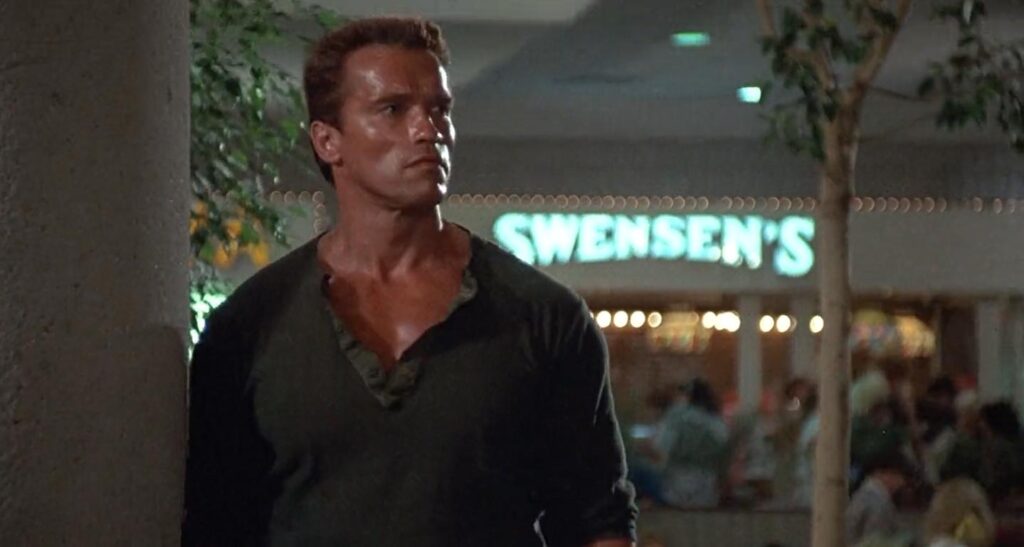
The ‘NO’ version is what we get instead. The second Cindy walks in the restaurant, she sees a cop and hurries over to him and says, “There’s a man out there who kidnapped me. Please stop him.” Notice how our heart sinks in this moment. Matrix just got the ‘NO’ as opposed to the ‘YES.’
And notice what happens after. The cop calls the other cops in the mall, tells them to close in on Matrix, a dozen cops move in on Matrix from every side and HOLY FRICKING COW we now have a scene that’s A THOUSAND TIMES more interesting than had Cindy done exactly what Matrix asked. I don’t even have to tell you what happens next in this scene and I can hear from inside of my computer how much you want to know.
So, why do writers write ‘yes’ so much then?
Because ‘yes’ is always easier on the writer. If you write ‘yes,’ you don’t have to write this big elaborate complex scene of John Matrix having to escape 12 cops in the middle of a giant mall in the middle of the day. So, your inclination is always to write ‘yes.’ Cause that inner writer wants to take the easiest route.
If you’re at all an action guy, rent this movie tonight. It’s really good. More importantly, study how many times the writer says ‘no’ to the main character. Even the subtle times. There’s this moment right after the mall chaos where Matrix is chasing Sully in the parking lot and gets in front of his car. And we’re thinking, “He can jump in this car and grab Sully now.” But then Sully bowls him over with the car, sending Matrix reeling off to the side. That’s a ‘no’ moment. Cause you could’ve said ‘yes’ and got him in the car where he would’ve been able to take down Sully. But by saying ‘no,’ the sequence becomes a lot more interesting.
Go through your current script right now, see where you’re saying ‘yes’ and, in a key moment, say ‘no’ instead. Watch that scene come alive.
My relationship with AI continues to evolve.
One day I think it’s amazing that I can theoretically create a movie in a computer without ever having to step outside and shoot a frame of video. The next day I think AI movies are soulless, evil, and antithetical to the actual purpose of storytelling, which boils down to evoking emotion from an audience.
With that said, AI is becoming a really good partner in the writing process. And today, I want you guys to share your experiences with AI writing so far. I want this to be a shame-free safe space. I know some of you are passionate in your hatred of AI as it pertains to writing. But let’s try and keep the conversation around this tool positive only because there are parts of AI that could really help some writers out which they may not know about. So, I was hoping that if we all shared what we use AI for in the writing space, it could help others who never would’ve thought to use AI in that way.
I’ll give you an example. I know this ESL writer whose dialogue, as a result of English being his second language, is really on-the-nose. I’m talking like some of the most on-the-nose dialogue you’ve ever read. And I’ve been trying to get him to make the dialogue less on-the-nose. Even if it’s just by 10%. But he continues to struggle with it.
Finally, I said, “Look. Run one of your dialogue scenes through AI. Claude or ChatGPT. And tell it to make the dialogue sound more like real-world conversation. Do not use the dialogue it gives you. But use the dialogue it gives you TO HELP YOU UNDERSTAND HOW TO MAKE YOUR DIALOGUE LESS ON-THE-NOSE AND MORE LIKE REAL LIFE CONVERSATION.” Then use that dialogue as a reference point to rewrite the dialogue in that scene.
He did this and the dialogue got better! Not a ton better. But definitely improved.
I find that to be one of AI’s biggest strengths. If you have a weakness and you know it’s a weakness, you can have AI write up something for you to help you see, in general, how the “correct” way to write it is.
Another thing that AI is really good at is working through scenes with you. And I’ve used it sporadically for working out scenes in my novel. One of my big writing philosophies is that your script isn’t ready until every scene is at least a 7 out of 10. And preferably, you want to get as many of those scenes into the 8 out of 10 category, or higher, as possible.
I had this scene that just wasn’t working. It was a 4 out of 10 at best. You guys know what I’m talking about. There are those scenes in your script that you just can’t figure out for the life of you. And so I put it through a couple of AI sites and I laid out, very specifically, why I thought the scene was slow and what I thought needed to get better.
Here’s the funny thing. Just by thinking so deeply about why the scene wasn’t working, I actually figured out the solution to making it better before AI responded. But the point is, whenever I do this, AI lays out why it believes the scene isn’t working and gives you some alternative ideas.
Which leads to another funny reality. It’s actually never come up with a scene that I’ve liked. But just reading through the logic of all of its alternative ideas, helps me see the scene in ways I haven’t thought about before and THAT usually gives me an idea on how to fix the scene.
So it’s like virtual brainstorm buddy. And I think it’s great for that. I believe all writers should be using that aspect of it.
Another thing that AI is absolutely stellar at is describing locations that you know nothing about. Like if a scene of yours takes place in a 1930s factory in Germany, and you need to describe what it’s like in there – what it looks like, feels like, smells like – AI is amazing at that. You say, “Describe the setting in three paragraphs” (for a novel) and it will give you a very detailed description of the place, that you can then use as a reference point for writing your version of that location.
It’s a game-changer because one of the easiest ways for me to spot newbie writers is they’ll set a scene, a sequence, or even an entire script, in a world they barely understand. And you can tell they don’t understand it from how sparsely they’ve described it. This eliminates that issue. Don’t know anything about hospitals? With AI by your side, you can create the most realistic fictional hospital series ever.
But let’s get to the ultimate question. Which is: Can AI actually write? As in, all by itself? Can you tell it to write a scene for you? And the answer is, it can. I test it at least once a week to see where it’s at. It turns out, it has two gigantic weaknesses that keep it from being able to write.
The first is that it’s not good at anything that deals with emotion. It can describe a room for you as well as some of the best writers in the world. But the second you want it to convey the complicated relationship between the mother and the daughter in that room, and how the two interact with each other, it starts breaking down. It just doesn’t understand what that looks like or feels like.
Which makes sense. A big part of making writing authentic is being able to place yourself inside each character’s head and understand what it is they’re going through and using that filter to build a mechanism for them to interact with the rest of the world.
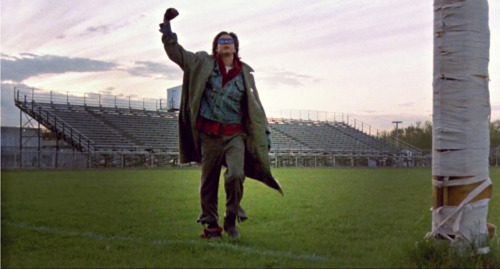
For example, Bender, from The Breakfast Club, grew up in a violent household with a stepfather who always beat him. So, the way that he interacted with the world was to challenge it, to berate it, to displace that energy off of him and onto others. And once you understand that, you know how to write that character.
AI just can’t get there. It mimics what other characters like this have done in the past. But, again, as every good writer knows, each character, like each human being, is its own unique individual. The second you copy and paste someone into a new script, something feels off. I would go so far as to say that one of the ways you become a good writer is to understand that. Because those little unique things that separate your bully character from the last bully character in a movie are what make them stand out. I just don’t see AI ever figuring that out.
The second big weakness is that AI is not you. One of the most common things I’ve heard in Hollywood over the last 25 years is that people are looking for someone with a voice that’s unique. They write in a unique way. Their sense of humor is different. Their story choices aren’t like other writers’ story choices. They tell stories in a way that feels unique. And just the way their writing moves through your head as you’re reading it has its own unique rhythm and cadence.
When I have AI rewrite a scene of mine to see how it does, sometimes it writes something that’s better. But when I go through the actual text, I’m constantly saying to myself, “That doesn’t sound like me.” “I would never use that word.” “That sentence feels off for some reason.” I have a distinct style and way that I write and once I give that job to AI, I lose the very thing that makes my writing me.
And if the writing doesn’t sound like you, that means it sounds like someone else. In this case, since it’s AI writing it, it sounds like whatever AI has decided is the “proper” voice to tell this story in. And since AI’s very existence is built on top of it pulling millions of writing styles in, it’s literally writing in that middle generic space that doesn’t evoke any sort of point of view at all.
What this tells me is that AI is a writing tool. A valuable one. One you should definitely be experimenting with. But it can’t write things for you. It can assist you. It can inspire you. But everyone here who has a voice they consider unique should stand proud knowing that as long as you’re loyal to that voice every time you write, you will always be an asset in this industry. It is only once you give AI all the power in your writing that you are no longer of value as a writer. Never forget that.
What do you guys use AI for these days? Be as specific as possible. And try to be supportive of people here. In some meetings I’ve had, I notice a lot of writers hiding the fact that they use AI cause it’s stigmatized. We’re not going to stigmatize you here. We want to share the strengths of this tool with everyone so we can all get better as writers. :)